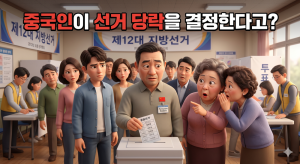
비밀투표라는 권리와 표현의 자유라는 권리의 충돌
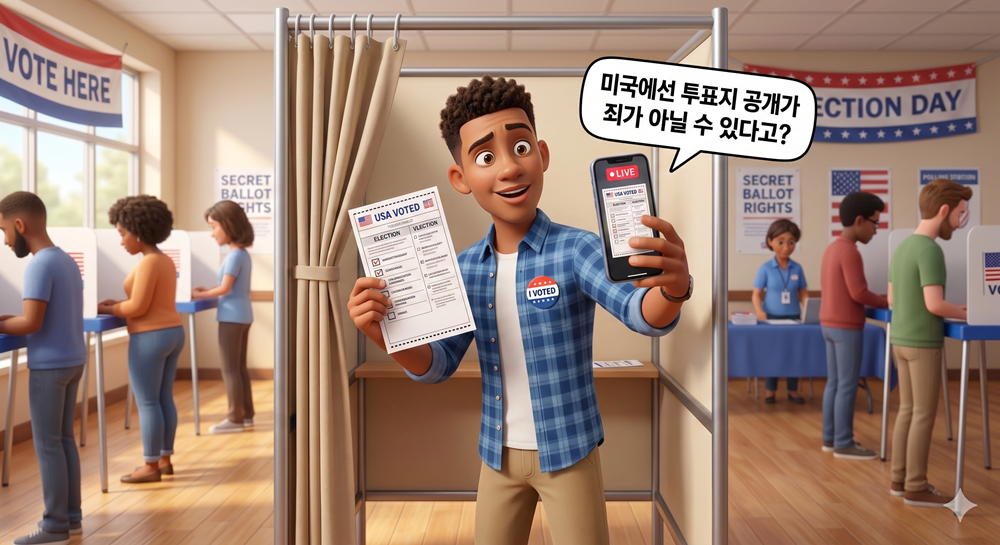
미국은 비밀투표와 관련하여 복잡하고 흥미로운 접근 방식을 취하고 있습니다. 연방제 국가 특성상 선거법이 주(State)마다 제각각이기 때문인데, 결론부터 말씀드리면 미국에서도 비밀투표는 기본적으로 유권자의 강력한 ‘권리(Right)’로 취급됩니다.
하지만 “내가 내 투표지를 공개할 권리”를 어디까지 인정할 것인가를 두고는 미국의 수정헌법 제1조(표현의 자유)와 각 주법이 충돌하며 현재 진행형으로 논쟁이 벌어지고 있습니다.
1. 미국에서 비밀투표의 기본 성격: “권리(Right)”
미국 50개 주 중 44개 주는 주 헌법(State Constitution)에 명시적으로 비밀투표를 보장하고 있으며, 나머지 6개 주도 법률(Statute)로 이를 보장합니다.
- 비밀투표 특권(Political Vote Privilege): 미국의 증거법 등에는 유권자가 법정이나 공공장소에서 “누구에게 투표했는지” 밝히기를 거부할 수 있는 법적 권리가 기저에 깔려 있습니다. 즉, 타인이나 권력이 내 표를 들여다보지 못하게 막는 방패로서의 ‘권리’입니다.
2. 이메일/인터넷 투표 시의 ‘비밀 보장 포기 조항’
미국은 재외국민이나 군인(UOCAVA 유권자)을 대상으로 이메일이나 팩스, 혹은 웹 시스템으로 투표지를 반송할 수 있게 허용하는 주들이 많습니다. (인터넷 망을 통하는 방식)
이때 기술적으로 완벽한 비밀 보장이 어렵기 때문에, 미국 상당수의 주(약 28개 주 이상)에서는 이메일/인터넷 투표를 신청할 때 ‘비밀 보장 포기 서약서(Waiver of Right to Secret Ballot)’에 반드시 서명하도록 요구합니다.
“내가 전자적인 방식으로 투표지를 보냄으로써, 선거 관리 직원이 이를 인쇄하고 처리하는 과정에서 내 투표 내용이 노출될 수 있음을 인지하며, 이에 따른 비밀투표 권리를 자발적으로 포기(Waive)합니다.“
즉, 시스템 한계상 비밀이 보장되지 않을 수 있으니, 유권자가 그 권리를 잠시 내려놓고 투표에 참여하겠다는 서약을 받는 것입니다. 이 역시 비밀투표를 국가가 강제하는 ‘의무’가 아니라, 유권자가 통제할 수 있는 ‘권리’로 보기 때문에 가능한 개념입니다.
3. 미국 선거의 뜨거운 감자: 투표지 인증샷(Ballot Selfie)
미국에서 가장 치열하게 싸우는 지점이 바로 “내 표를 찍어서 SNS에 올리는 행위(Ballot Selfie)”입니다. 주마다 법이 완전히 달라서 미국인들도 선거철마다 찾아보는 정보입니다.
- 합법인 주 (약 28개 주 – 캘리포니아, 콜로라도, 플로리다 등): “내가 누구를 지지하는지 투표지로 보여주는 것은 미국 수정헌법 제1조가 보장하는 가장 강력한 정치적 표현의 자유(Free Speech)다!”라며 허용합니다. 실제로 뉴햄프셔 등 일부 주에서는 투표지 촬영 금지법이 위헌 판결을 받기도 했습니다.
- 불법인 주 (약 15개 주 – 뉴욕, 뉴저지, 위스콘신 등): 여전히 엄격하게 금지합니다. 이유는 한국과 같습니다. “인증샷을 허용하면 직장 상사나 조폭이 ‘너 누구 찍었는지 인증샷 보내라’고 압박(강요 및 매표 행위)할 수 있기 때문에, 선거의 공정성을 위해 촬영을 금지해야 한다”는 논리입니다.
- 절충형 주 (아리桑나, 텍사스 등): 투표소 안에서 기표하는 모습은 촬영 금지(다른 사람의 프라이버시 침해 방지)이지만, 집에서 작성하는 우편 투표(Absentee Ballot)는 마음대로 찍어서 SNS에 올려도 된다고 규정합니다.
💡 미국의 역사적 팁 (Back when everyone knew…) 사실 미국도 건국 초기부터 19세기 후반까지는 **공개 투표(Viva Voce – 말로 외치거나 정당별 색깔 종이를 투표함에 넣는 방식)**가 당연시되었습니다. 당시에는 “공동체의 이익을 위해 투표하면서 비겁하게 숨어서 표를 던지는 것이 오히려 민주주의 정신에 어긋난다”는 철학(존 스튜어트 밀의 주장 등)이 강했기 때문입니다. 하지만 돈으로 표를 사고 투표소 앞에서 협박이 난무하자, 1888년 대통령 선거를 기점으로 호주식 비밀투표(Australian Ballot, 국가가 동일하게 인쇄한 투표지를 기표소 숨어서 찍는 방식)를 도입하며 지금의 ‘비밀투표 권리’가 정착되었습니다.
결론적으로, 미국 역시 비밀투표는 강요로부터 유권자를 보호하는 철저한 ‘권리’로 취급되지만, 기술적 한계(이메일 투표)나 표현의 자유(인증샷) 앞에서는 유권자가 그 권리를 ‘포기’하거나 ‘공개’하는 것 또한 주법의 테두리 안에서 폭넓게 허용하는 추세입니다.
————-
우리 나라의 경우
우리 나라의 경우는 미국과 다릅니다. 우리 나라 법 체계도 비밀투표라는 권리와 표현의 자유라는 권리의 충돌 문제에 대한 고민이 있어야 하겠지만, 현재로서는 비밀투표가 유권자 개인에게는 침해받지 않을 ‘권리’이자, 선거의 공정성을 위해 국가와 사회가 반드시 지켜내야 하는 ‘의무(제도적 의무)’의 성격을 동시에 가집니다.
하지만 “내가 내 입으로, 혹은 내 SNS에 ‘나 누구 찍었다’고 자발적으로 공개하는 것이 허용되는가?”라면, 그것은 원칙적으로 유권자의 자유(권리)에 속합니다.
1. 유권자 개인의 입장: 절대적 ‘권리’
유권자에게 “누구에게 투표했는지 밝히지 않을 권리”는 절대적입니다.
- 국가나 직장 상사, 가족 등 그 누구도 나에게 “누구 찍었냐”고 강요할 수 없습니다.
- 과거 독재 정권 시절처럼 투표 내용을 감시하거나 유도하는 것을 막기 위해 헌법이 보장하는 강력한 무기입니다. 따라서 개인에게는 철저히 권리로 기능합니다.
2. 국가와 선거 제도의 입장: 엄격한 ‘의무’
국가는 유권자가 비밀을 유지하고 싶을 때 그것이 완벽하게 보장되도록 기표소, 투표함, 이중 봉투 등의 시스템을 만들어야 할 의무가 있습니다. 또한, 선거관리 공무원이나 투표 참관인은 투표 과정에서 알게 된 다른 사람의 투표 비밀을 누설해서는 안 되는 엄격한 법적 의무를 집니다.
🤔 그렇다면 “내 투표 결과를 내가 공개하는 것”은 죄가 될까?
많은 분이 헷갈려하시는 부분입니다. 대한민국 공직선거법(제167조)을 기준으로 보면 아주 흥미로운 구분이 있습니다.
| 구분 | 투표소 안 (기표소 내부) | 투표소 밖 (일상, SNS 등) |
|---|---|---|
| 행위 | 기표한 투표지를 스마트폰으로 촬영하거나, 투표소 안에서 “나 누구 찍었다!”고 인증/공개하는 행위 | 투표를 마치고 나온 뒤, SNS나 언론 인터뷰에서 **”나는 A 후보에게 투표했습니다”**라고 말하는 행위 |
| 판단 | ❌ 불법 (처벌 대상) | 합법 (자유) |
| 이유 | 투표소 내부에서의 공개는 선거의 평온을 해치고, 다른 유권자에게 영향을 주거나, ‘돈을 받고 특정 후보를 찍었음을 증명(매표 행위)’하는 수단으로 악용될 수 있어 법으로 엄격히 금지합니다. | 투표소 밖에서 자발적으로 자기 정치적 성향을 밝히는 것은 표현의 자유 영역입니다. 타인에게 강요당한 것이 아니라면, 내 선택을 스스로 밝히는 것은 권리의 행사로 봅니다. |
요약하자면
비밀투표는 강요와 보복으로부터 나를 지키는 ‘권리’입니다. 내가 원한다면 투표소 밖에서 내 투표 사실을 말할 수 있는 자유가 있지만, 투표소 안에서 투표지 자체를 눈으로 보여주거나 사진으로 찍어 증명하는 행위는 선거법상 금지되는 엄격한 제한을 받습니다.
.
The Complex Approaches to Secret Ballots: A Comparison Between the U.S. and South Korea
The United States takes a complex and fascinating approach to the principle of the secret ballot. Due to the nature of its federal system, election laws vary significantly from state to state. To state the conclusion first, the secret ballot in the U.S. is fundamentally treated as a powerful “Right” of the voter. However, the extent to which “the right to disclose one’s own ballot” should be recognized remains an ongoing debate, where the First Amendment (Freedom of Speech) and individual state laws frequently clash.
1. The Fundamental Nature of the Secret Ballot in the U.S.: A “Right”
Out of the 50 states, 44 explicitly guarantee the secret ballot within their State Constitutions, while the remaining six states secure it through statutory legislation.
- Political Vote Privilege: Embedded within American laws of evidence is the foundational legal right of a voter to refuse to disclose “for whom they voted” in a courtroom or public setting. In essence, it serves as a defensive shield preventing external entities or authorities from scrutinizing one’s ballot.
2. The “Waiver of Right to Secret Ballot” in Electronic Voting
Many U.S. states allow overseas citizens and military personnel (UOCAVA voters) to return their ballots via email, fax, or web-based portals.
Because absolute secrecy is technologically challenging to guarantee over digital networks, a substantial majority of states (approximately 28 or more) require these voters to sign a “Waiver of Right to Secret Ballot” when applying for electronic voting.
“By transmitting my ballot electronically, I acknowledge that my voting choices may be exposed during the printing and processing by election officials, and I voluntarily waive my right to a secret ballot accordingly.”
This concept is permissible precisely because the U.S. views the secret ballot as a controllable “right” of the individual rather than an absolute “duty” enforced by the state.
3. The Heated Controversy: Ballot Selfies
The most contentious battleground in contemporary U.S. elections revolves around taking a photo of one’s marked ballot and posting it on social media—a practice known as a “Ballot Selfie.” Because state statutes diverge drastically, this is a topic voters frequently look up during election seasons.
- States Where It Is Legal (Approx. 28 States – e.g., California, Colorado, Florida): These jurisdictions permit the practice under the rationale that demonstrating political alignment through one’s ballot constitutes a core form of political Free Speech protected by the First Amendment. In fact, in states like New Hampshire, bans on ballot selfies have been struck down as unconstitutional.
- States Where It Is Illegal (Approx. 15 States – e.g., New York, New Jersey, Wisconsin): These states strictly prohibit the practice. Their reasoning mirrors South Korea’s: allowing ballot selfies creates windows for coercion (e.g., employers or gang members demanding visual proof of a vote) and vote-buying, which undermines electoral integrity.
- Compromise States (e.g., Arizona, Texas): Photography is banned inside the polling place to protect the privacy of others, but voters completing an absentee or mail-in ballot at home are entirely free to photograph and share their ballots online.
💡 Historical Context: Back When Everyone Knew…
From the founding of the United States until the late 19th century, public voting—either via Viva Voce (voice voting) or by placing distinctly colored party tickets into a ballot box—was the standard norm. The prevailing democratic philosophy at the time (supported by thinkers like John Stuart Mill) held that casting a ballot in secret was cowardly and antithetical to civic duty, as votes should be cast openly for the public good. However, as vote-buying and voter intimidation escalated around polling stations, the Australian Ballot system (where the state prints uniform ballots and voters mark them in secluded booths) was introduced during the 1888 presidential election, cementing the modern right to a secret ballot.
The Case of South Korea: A Dual Nature of Right and Duty
The legal framework in South Korea differs from that of the United States. While Korean jurisprudence must also grapple with the tension between individual privacy and freedom of expression, the secret ballot currently operates under a dual framework: it is an inviolable “Right” for the individual voter, and simultaneously an absolute “Institutional Duty” that the state and society must safeguard to preserve electoral integrity.
However, if a voter voluntarily discloses their choice verbally or on social media outside the polling station, such an act fundamentally falls within the realm of individual liberty.
1. The Voter’s Perspective: An Absolute “Right”
The right of a voter to keep their choices confidential is absolute. No entity—whether the state, an employer, or family members—can legally compel a voter to reveal their ballot. This serves as a powerful constitutional safeguard designed to prevent the state surveillance or vote-coercion historically witnessed under past authoritarian regimes.
2. The State’s Perspective: A Strict “Duty”
The state is under a strict obligation to establish secure systems—such as private voting booths, sealed ballot boxes, and double-envelopes—to ensure secrecy is flawlessly maintained. Furthermore, election officials and observers face severe legal penalties if they disclose any voter preferences they might learn during the polling process.
🤔 Is It a Crime to Disclose One’s Own Vote?
This is a point of frequent confusion. Under Article 167 of the Public Official Election Act of the Republic of Korea, a clear and interesting legal distinction is drawn based on location:
| Category | Inside the Polling Place (Inside the Booth) | Outside the Polling Place (Daily Life, Social Media) |
| Action | Photographing a marked ballot with a smartphone, or loudly proclaiming one’s choice inside the polling station. | Stating “I voted for Candidate A” on social media or during a media interview after exiting the polling station. |
| Legal Ruling | ❌ Illegal (Subject to Criminal Prosecution) | Legal (Protected Liberty) |
| Rationale | Disclosures inside the polling station disrupt electoral order, improperly influence other voters, and can be weaponized as proof of vote-buying. | Voluntarily declaring one’s political stance outside the polling environment falls under freedom of expression, provided it is free from coercion. |
Summary
The secret ballot is a defensive “right” protecting individuals from external pressure and retaliation. While voters possess the liberty to discuss their voting choices outside the polling station, displaying or photographing the physical ballot itself inside the polling station is strictly prohibited under election law to guarantee the fairness of the democratic process.