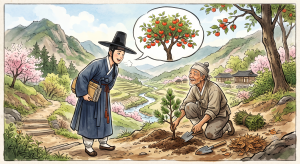
제가 아이들을 셋을 키웠습니다. 아이들을 여럿을 키우니까 늘 신경 쓰이는 게 뭐냐 하면 공정성의 문제입니다. 아이들이 부모를 공정하게 느끼느냐 그렇지 않느냐 이게 아이들의 정서와 성장 과정에 굉장히 예민하거든요. 부모가 조금이라도 편애하면, 공정하지 못하면 아이들에게 참 씻기 어려운 분노와 상처를 오랫동안 만들어냅니다. 그래서 미국 아이들은요, 자랄 때 부모가 조금이라도 공평하지 않은 것 같으면 늘 입버릇처럼 하는 얘기가 “It’s not fair.” 그럽니다. 공평하지 않아요. 저희 아이들한테도 여러 번 그 이야기를 들었던 기억이 납니다.
자 그런데요, 여러분. 성경에는요, 이런 편애 아닐까 하는 모습들이, ‘이건 공평하지 않은데’ 하는 모습들이 의외로 많이 나옵니다. 그렇죠, 여러분? 창세기에서부터 가인과 아벨 얘기 다 아시잖아요. 가인의 제사는 하나님이 받지 않으시고 아벨의 제사는 받으셨대요. 왜요? 여러분 이유를 아십니까? 그 답이 나와요? 답이 안 나옵니다. 왜 가인의 제사는 안 받으시고 왜 아벨의 제사는 받으셨는지 흔히 우리가 제물의 종류로 생각하는데 그게 답은 아닙니다.
우리가 대표적으로 부모가 편애해서 가정에 문제가 생긴 이야기, 요셉의 이야기 또 어떻습니까? 여러분, 요셉이 아버지 야겁(야곱)의 사랑을 많이 받았죠. 어느 정도 많이 받았느냐? 형들에게는 안 입혀주는 채색옷을 요셉에게만 입혀줬다는 거 아닙니까? 그러다 어떻게 됐어요? 형들이 분노하고 요셉에게 시기, 질투해서 결국은 요셉이 화를 입죠. 요셉을 죽이려고 하다가 그나마 많이 참아서 요셉을 노예 상인들에게 팔아버립니다.
여러분, 이 구약에 나오는 이야기들뿐만 아니라 신약에도 그와 같은 얘기가 나옵니다. 우리가 이제 앞으로 누가복음 15장도 읽어 나가겠지만 우리가 잘 아는 탕자의 이야기가 나옵니다. 거기 보면 아버지의 은혜에 대적하는 장면들, 그 둘째 아들, 자격 없는 둘째 아들을 무조건적인 은혜로 맞아주시는 아버지에 대해서 큰아들은 어떻게 합니까? 대놓고 대적하는 거죠. “이거 공정하지 않습니다. 왜 저한테는 이렇게 안 해 주십니까?”라는 식의 은혜에 대적하는 내용. 사실은요, 여러분, 은혜에 대한 그와 같은 대적이 사실은 복음서에 걸쳐서, 또 사도행전에 걸쳐서 아주 중요한 주제로 성경에 등장한다는 사실을 여러분들이 주의 깊게 보실 수 있어야 합니다.
오늘 이 얘기 하려고 합니다. 아버지의 은혜에 대해서 항의하는 자식들, 은혜에 대한 저항의 이야기. 여러분, 오늘 우리가 읽은 본문은요, 잘 아시는 대로 지난주에 우리가 예수님 세례 받으신 후에 광야에서 마귀에게 시험받으셨던 내용 봤죠. 그리고 그렇게 시험을 이기신 후에 어디로 가셨을까요? 고향인 갈릴리로 돌아가셨어요. 그 갈릴리에서 그의 공생애의 첫 번째 사역을 시작하실 때 예수님이 첫 사역을 시작하신 곳은 고향 나사렛에 있는 유대인의 회당이었습니다. 그 회당에 늘 하시던 대로 안식일에 찾아가셔서 그곳에서 하신 일입니다. 결과부터 말하면요, 주님은 고향 나사렛에서 동족인 유대인들을 분노하게 만드셨어요. 쉽게 말하면 열받게 만드셨어요. 그래 가지고 마침내 첫날부터 그들에게 배척을 당하시고 목숨을 잃을 뻔하시는, 정말 첫날 사역을 시작하자마자 죽을 지경에 처했던 그런 이야기를 우리가 보게 됩니다.
자 여러분, 생각해 보십시오. 무엇이 유대인들을 첫날부터 그렇게 분노하게 만들었을까요? 뭐가 그렇게 그들을 화나게 만들었을까요? 도대체 뭐라고 하셨길래요? 주님은 그곳에서 선지자 이사야의 글을 읽으셨어요. 여러분, 예수님이 하신 말씀들이 거의 다 그냥 자의적으로 하신 말씀이 아니라 구약에서 인용하신 말씀이라고 지난주에도 제가 말씀드렸죠. 예, 역시 여기서도 예수님은 선지자 이사야의 글을 읽으시고 그리고 뭐라 그러시느냐, “이 말씀이 오늘 너희 귀에 응하였다(이루어졌다).” 그렇게 선포하셨어요. 한번 볼까요? 오늘 우리가 읽은 본문의 18절과 19절입니다. 같이 읽으시죠.
주의 성령이 내게 임하셨으니 이는 가난한 자에게 복음을 전하게 하시려고 내게 기름을 부으시고 나를 보내사 포로 된 자에게 자유를, 눈 먼 자에게 다시 보게 함을 전파하며 눌린 자를 자유롭게 하고 주의 은혜의 해를 전파하게 하려 하심이라 하였더라
자, 이 말씀도 어디서 인용하셨다고요? 이사야서. 이사야서 몇 장이요? 아, 그거 여러분들이 다 아시면 제가 사역하기 힘들죠. 이사야서 61장 말씀입니다. 이 61장에 뭐라고 말씀하셨느냐, 얼마나 비슷한가 보세요.
주 여호와의 영이 내게 내리셨으니 이는 여호와께서 내게 기름을 부으사 가난한 자에게 아름다운 소식을 전하게 하려 하심이라 나를 보내사 마음이 상한 자를 고치며 포로 된 자에게 자유를, 갇힌 자에게 놓임을 선포하며 여호와의 은혜의 해와 우리 하나님의 보복의 날을 선포하여 모든 슬픈 자를 위로하되
여기까지만 읽죠. 예, 얼마나 비슷하고 얼마나 틀립니까?
예, 중요한 건 이사야 선지자가 예언했던 여호와의 기름 부으신 자의 사명을 자기 자신이 이루신다, 그러니까 자신이 곧 누구라고요? 여호와의 기름 부으신 자, 그걸 한 단어로 뭐라 그래요? 메시아, 메시아. 자신이 메시아다, 여호와의 기름 부으신 자다라고 말씀하시면서 그 사명이 어떤 것이다라고 말씀하고 계신 겁니다. 그 사명은 뭡니까? 가난한 자, 포로 된 자, 눈 먼 자, 눌린 자를 위해서 자유와 치유의 복음을 전파하시는 것이고 하나님이 예비하신 그 구원의 날을 선포하시는 것이라고 말씀하셨습니다.
그런데요, 여기 약간 다른 부분도 있어요. 어떻게 다르냐 한번 보세요. 이사야서에서는요, 여호와의 은혜의 해와 우리 하나님의 무슨 날? 보복의 날, 그렇게 돼 있어요. 여호와의 은혜와 보복의 날이라고 되어 있는 걸 예수님은 하나로 합쳐서 오직 주의 은혜의 해라고만 표현하셨다는 거죠. 이거 비슷한 거, 틀린 거 발견할 수 있으세요?
자세히 구약과 성경 신약이 어떻게 연결되고 신약이 구약을 어떻게 인용했고 그것이 어떻게 비슷하고 어떻게 다르고 그거 확인하면서 성경을 읽고 싶으시면 여러분, 관주 성경을 사서 보시면 좋아요. 관주, 관주라는 건 신약과 구약 사이에서 서로 연결된 부분, 인용된 부분을 구약은 신약의 어떤 부분에, 신약은 구약의 어떤 부분에 서로 인용되어 있고 연결되어 있는지를 표시해 준, 요 구절의 한쪽 끝에 ‘ㄱ, ㄴ, ㄷ’ 요렇게 난외주 번호가 매겨져 있고 그 구절 ‘시편 몇 편 몇 절’ 이렇게 표기해 주는 성경이 관주 성경이에요. 여러분, 관주 성경을 읽으면 구약과 신약을 서로 함께 확인하면서 연결시켜서 읽을 수 있다는 거죠. 그런데 이 부분, 예수님이 인용하신 부분은 구약 원문에는 여호와의 은혜의 해와 보복의 날이라고 되어 있는 것을 예수님은 주의 은혜의 해를 선포한다고 말씀하셨다.
그러면 주의 은혜를 선포하셨다 할 때 이 은혜의 해라는 건, 주님의 은혜라는 건 도대체 뭘 말하느냐? 구약 성경은 그것을 희년 그럽니다. 뭐라 그런다고요? 희년, 희년. 희년이라는 말은 한자로 기쁠 희(喜) 자, 해 년(年) 자예요. 기쁨의 해라는 뜻이죠. 원래 히브리 말에는 요벨이라고 하는 단어인데요, 이 요벨이라는 단어가 라틴 말의 주빌레오, 주빌레레로 바뀌고 그게 영어로 주빌리, 라틴어를 따라서 주빌리라고 했습니다.
자 여러분, 이게 도대체 어디에 나오는 얘기냐? 레위기 25장 10절 말씀에 보면 “너희는 오십 년째 해를 거룩하게 하여 그 땅에 있는 모든 주민을 위하여 뭘 공포하라?” 자유를 공포하라 그랬습니다. 자유를 공포하는 해, “이 해는 너희에게 희년이니 너희는 각각 자기의 소유지로 돌아가며 각각 자기의 가족에게로 돌아갈지며.” 소유지로 돌아간다, 그 말은 무슨 말이에요? 아니 그러면 땅을 잃어버렸던 사람은 어떻게 해요? 땅을 빼앗겼던 사람은 어떻게 해요? 땅을 빚잔치 해서 남에게 갖다 바친 사람은 어떻게 해요? 그 땅이 원주인에게로 돌아가야 돌아갈 땅이 생기잖아요. 그들의 삶을 회복시켜 주는 해, 그 해를 성경은 희년이라고 말씀하고 있고 그 말이 구약 성경에 요벨이라고 히브리어로 되어 있다라는 겁니다.
원래 고대 이스라엘에서는요, 7년마다 맞이하는 안식년이 있어요. 안식년, 매주 안식일이 있죠. 엿새 동안 힘써 일하고 일곱째 날은 뭐 해요? 쉬어요? 사람만 쉬어요? 아니요, 땅도 쉬고 가축도 쉬고 내 집에 들어온 손님도 쉬고 다 쉬는 거예요. 6일마다, 7일마다 안식일뿐만 아니라 7년마다 안식년. 7년째 안식년에는 땅이 제대로 쉬기 위해서 땅에 농사도 멈춰요. 1년 동안 쉬어요. 그 안식년이, 안식년 매년 안식년이 되면 안식년 되는 해 일곱째 달의 제십일(제십일은 대속죄일, 즉 7월 10일)에 대속죄일, 여호와의 용서를 선포합니다. 이 용서를 선포할 때 어떻게 하느냐? 양각 나팔 들어보셨죠? 양의 뿔로 만든 나팔, 그를 히브리말로 쇼파르 그러거나 또는 안식년 또는 희년이라는 이름하고 똑같이 요벨이라고 부르기도 합니다. 이 요벨이라고 불리는 이 양각 나팔을 불면서 여호와의 용서, 속죄, 사하심을 선포하는 거죠.
그런데요, 희년이란 뭐냐? 이렇게 안식년이 일곱 번, 7×7=49, 몇 년이에요? 아이구 산수, 산수. 칠칠에 사십구, 그렇죠? 49년이 지난 그다음 해를 한 번 더 쉬는 거예요. 그다음 해, 49년 다음 해 몇 년이에요? 50년째 되는 해를 맞이해서 선포하는 일종의 안식년의 안식년, 그러니까 대안식년에 해당하는 거죠. 그때의 외치는 외침을 기쁨의 외침이라 그러고 그때 해를 영어로 주빌리, 우리말로 희년, 기쁨의 해다라고 말하는 겁니다.
말하자면 희년이란 말은요, 한 사회가 50년을 주기로 멈추고 그리고 새롭게 회복되어야 한다 하는 말입니다. 왜 50년이냐? 50년이면 그 사회에 부채가 쌓입니다. 자신의 죄를 지어서(또는) 빚을 못 갚아서 뭐 여러 가지 이유로 빚을 지고 부채가 쌓이죠. 노예로 잡혀간 사람들도 있습니다. 심지어 그 빚을 못 갚아서, 여러분 생각해 보세요. 어떤 사람이 빚을 졌어요. 그런데 게을러서 못 갚았어요. 그러면 제일 먼저는 뭘 하냐? 그 사람이 가진 땅을 빼앗깁니다. 그렇죠? 이스라엘 사회는 땅에 기반한 사회예요. 토지를 기초로 해서 먹고사는 사회예요. 그들이 요단강을 건너가 가나안 땅에 들어갈 때 하나님께서 그 땅을 지파별로 골고루 나눠주셨어요. 또 지파 안에서도 각 가문별로 골고루 나눠 주셨어요. 그들은 공평하게 출발했어요. 그런데 공평하게 출발한다고 계속 다 공평하게 사나요? 아니죠. 사람에 따라, 사는 방식에 따라, 그러다가 빚도 지고 빚이 많아지면 또는 벌을, 죄를 짓게 되면 땅을 뺏기는 일이 생기죠. 땅을 뺏기고 안 되면 그다음엔 뭐도 뺏겨요? 몸도 뺏겨요. 땅을 뺏기다가 안 되면 몸을 뺏겨요. 그러니까 처음에는 땅이 없이 살게 되다가 나중에는 노예가 됩니다. 종살이하게 됩니다.
원래 율법에는 히브리 사람으로 종이 된 사람은 7년이 지나면 놓아주게 돼 있어요. 영원한 종살이를 시킬 수가 없습니다. 그들의 종의 신분을 대물림하지 못합니다. 이게 히브리 사람의 기본 권리예요. 그런데 이게 시간이 계속 흐르다 보면 그것이 지켜지지 않게 되는 거죠. 땅도 뺏기고 몸도 뺏기고 대를 이어서 종살이를 합니다. 사회가 기울어진 운동장이 됩니다. 어떤 사람은 나면서부터 모든 게 풍성해서 아무것도 하지 않아도 저절로 부자와 부와 권력을 누리며 살고, 어떤 사람은 아무리 열심히 일해도 기울어진 운동장에서 흙수저 물고 태어나서 아무리 노력을 해도 이게 해결이 되지 않는 그런 사회가 됩니다. 이게 50년이 되면, 20년이 지나고 또 20년이 지나고 한 세대, 두 세대, 50년이 되면 이게 되바꾸기 힘든 사회가 돼버려요. 그때 주님은 말씀하셨습니다. 그렇게 50년이 되면 리셋(Reset), 리셋. 모든 것을 원래대로 돌리는 거죠. 부채도, 노예로 잡혀온 사람도, 그들의 땅도 원래대로 되돌리는 겁니다. 그리고 다시 시작하는 거예요. 다시 시작하는 거예요.
그런데 여러분, 이렇게 다시 시작하는 일이 쉽게 이루어졌을까요? 율법에 이렇게 써져 있으니까 그냥 지도자가 “야, 율법에 이렇게 써 있어. 그러니까 지금부터 이렇게 다시 시작하는 거야. 준비 땅!” 그러면 사람들이 “네, 알겠습니다.” 그러고 순순히 자기 손에 쥐었던 거 돌려주고 풀어주고 그렇게 다시 시작했을까요? 그런 일이 그렇게 쉽게 일어났을까요? 아유, 우리 대한민국에서는 힘들지만 이스라엘에서는 가능하지 않았을까요? 천만에요. 그들이라고 우리와 다른 사람들입니까? 아니요, 그들에게도 그건 쉬운 일이 아니었습니다.
여러분, 고스톱 쳐보셨어요? 고스톱 한번이라도 쳐보신 분 괜찮아요. 당회에서 치리 안 할게요. 예. 아니 하다못해 여러분 저 아이들 하는 부루마블이라도 해보셨죠? 예예예. 이 게임, 따고 잃고 하는 게임 우리 다 해봅니다. 그런데요, 한참 게임이 진행되고 있어요. 열심히 하다 보면 어떤 사람은 따고 어떤 사람은 잃잖아요. 그렇죠? 저기 어떤 분이 열심히 고스톱을 치다가, 치라는 말씀 아니에요. 오해하지 마세요. 치다가 식구들끼리 명절 때 열심히 내가 치고 있는데 잘돼요. 이거 뭐 고 쪽쪽 붙어요. 막 그래 가지고 아 이거 오해하실 거 같은데, 예. 아니 원 고, 투 고, 쓰리 고 막 부르고 있어요. 그런데 저 앞에 앉은 우리 아버지는 완전히 피바가지가 나게 생겼어요, 지금. 예. 내가 다 쓸어오게 생겼어요. 딱 그 순간인데 어머니께서 “커피 마시면서 하세요.” 그러고 이렇게 방으로 들어오시다가 그만 이 고스톱 판 깔아놓은 담요를 어머니가 살짝 밟았는데 이게 미끈덩해 가지고 이 판이 뒤집혔어요. 어떻게 되겠어요? 여러분, 그때 피바가지 쓰고 계시던 아버지는 “이야, 만세!” 그러실 거고, 쓰리 고 부르던 큰형님은 “이, 이거 어떡해요? 엄마, 엄마 어떻게 책임질 거예요?” 그렇죠? 예. 여러분, 누가 환호성을 지르고 누가 분노할 것인지 분명하죠. 그거 모르시겠어요? 당연하잖아요. 예.
어떤 학자들에 의하면 이스라엘의 역사 가운데 실제로 이 희년 제도가 실행된 적이 있었느냐? 한 번도 없었다는 거예요. 그걸 우리가 어떻게 짐작할 수 있느냐? 여러분, 예레미야서 읽어보셨어요? 우리 예레미야서 얼마 전에 읽었잖아요. 우리 요즘 뭐 읽고 있어요? 에스겔서 읽고 있죠? 에스겔서 바로 앞에 예레미야서 나왔어요. 그 예레미야서의 마지막 부분에 보면 시드기야 왕 때 바벨론의 느부갓네살 왕이 쳐들어왔을 때의 상황들이 벌어져요. 바벨론이 쳐들어오니까, 예루살렘을 포위하니까 야단났어요. 나가서 나라를, 성를 지키기 위해 싸워야 되는데 군사로 나갈 사람이 없어요. 왜 없을까요? 멀쩡한 사람들을 왕과 귀족들, 권세 있는 자들이, 제사장들과 서기관들과 장로들이 멀쩡한 동족들을, 동포들을 다 잡아다가 자기의 종으로 만들어버렸거든요. 율법에 맞아요, 안 맞아요? 안 맞아요. 이유가 있어서 종이 됐어도 7년 지나면 풀어줘야 되는데 풀어줬을까요, 안 풀어줬을까요? 안 풀어줬어요. 여러분, 종은 전쟁에 나갑니까, 안 나갑니까? 종은 전쟁터에 나갈 수가 없어요. 노예를 전쟁터에 내보내는 나라는 없어요. 그러니까 야단났어요. 싸울 사람이 없어요. 그러니까 허겁지겁 왕과 이 제사장들이 무슨 일을 했느냐? “야, 율법에 보니까 히브리 사람의 종은 해방시켜주라고 돼 있더라. 우리가 종을 해방시켜줄게.” 부랴부랴 그들을 풀어줬어요.
그런데 말입니다, 어떤 일이 벌어졌냐? 애굽의 바로가 이 싸움에 참전한다는 거예요, 예루살렘을 돕기 위해서. 아니, 실제로 오진 않았고요, 소문만 났어요. 그리고 그 소문이 바벨론 왕 느부갓네살의 귀에 들렸어요. 느부갓네살이 깜짝 놀라서 ‘애굽이 쳐들어오면 곤란하겠는데’ 해서 예루살렘의 포위를 풀고 물러났어요. 바벨론 왕이 포위를 풀고 물러나니까 시드기야(히스기야) 왕과 예루살렘의 귀족들이 어떻게 했을까요? 풀어줬던 종들을 다시 잡아들이는 거죠. 없던 일로 하고 “다시 니들은 우리 종이야.” 여러분, 이게 뭡니까? 그들은 애초에 희년의 정신을 따를 마음이 있었어요, 없었어요? 없었던 거죠.
여러분, 주님은 희년의 은혜를, 여호와의 은혜의 해를 선포하셨습니다. 오늘 이 말씀에서 중요한 건 주님이 선포하신 은혜가 누구를 위한 은혜인가 하는 겁니다. 주님이 은혜를 선포하셨어요. 희년을 선포하셨어요. “처음부터 다시”라고 말씀하셔요. 그러면 이게 누구에게 좋은 일일까요? 여러분, 주님은 그걸 분명히 알고 계셨습니다. 선지자 이사야가 말한 대로 가난한 자, 포로 된 자, 눈 먼 자와 눌린 자들, 이 희년은 그들을 구원하기 위한 것입니다. 그들의 삶을 회복하기 위한 것입니다. 주님이 이루실 그날은 그들에게, 이러한 모든 것을 잃어버린 자들에게, 소망이 없는 자들에게 주님의 은혜가 선포되는 겁니다.
여기 주님의 은혜라고 말할 때 “the year of the Lord’s favor”라고 영어 성경에 돼 있어요. ‘은혜’ 그러면 우리가 다 아는 단어 있잖아요, ‘grace’, ‘grace’. 그러면 “the Lord’s grace”라고 써야 되는데 왜 영어 성경은 ‘grace’라고 쓰지 않고 ‘favor’라는 단어를 사용하고 있느냐? 예, ‘favor’라는 말은 양해를 구하는 겁니다. 용서하는 거예요. “Can I get a favor?” “내가 당신의 양해를 좀 구해도 될까요?” 다른 말로 “May I beg your pardon?” “좀 양해해 주시겠습니까? 용서해 주시겠습니까?” 예, 희년은 바로 그것을 말합니다. 그저 단순히 종교적인 은혜라는 ‘grace’라는 말보다 주님이 이해해 주시고 양해해 주시고 포용해 주시는 거예요. 받아들여 주시는 거예요. 그러니까 희년은 주님의 용서가 선포되고, 받아들일 수 없는 자들이 그 공동체에서 삶을 회복하고 받아들여지는 것을 말하고 있습니다. 그렇게 모든 것을 잃어버린 자들을 위해서 이제까지의 모든 뒤틀린 결과를 다시 리셋, 원점으로 돌리고 그들을 얽어매는 모든 현실로부터 다시 시작할 수 있도록 그들의 삶을 리딤(Redeem)해주는 거죠.
여러분, 룻기에 보면 우리 하나님께서 모든 것을 잃어버렸던 나오미를 위해서 리디머(Redeemer), 기업 무를 자, 그의 삶을 회복시킬 자를 예비하셨다고 말하고 있습니다. 그렇습니다. 주님이 선포하신 그 나라는 그렇게 그들의 기업 무를 자가 되시는 주님을 통해서 그들의 삶을 회복시켜 주시는 거죠. 그러면 이 시점에서 누가 여기에 반발할까요? 화가 나는 사람은 당연히 기존의 게임 판에서 자기들이 이기고 있다고 생각하던 사람들이겠죠. 그렇죠? 자기에게 유리하게 돌아가고 있다고 생각하던 그런 사람들입니다. 그 사람들이 뭐라고 항의하겠어요? 저희 애들이 어릴 때 하던 얘기처럼 “It’s not fair.” 예, 그럴 거예요. 공평하지 않아요. “무슨 소리, 왜 그런 자들에게?”라고 말하겠죠. 그러니까요, 여러분, 유대인들의 분노에 제대로 불을 붙인 것은 그 은혜가 누구를 위한 것인지 예수님께서 너무나 대놓고 분명하게 말씀하셨기 때문입니다.
예수님의 이 말씀에 대해서 그들이 어떻게 반응했는지 누가복음 4장의 뒷부분에 나옵니다. 오늘 읽지는 않았지만 4장 25절부터 29절 사이를 보면요, “내가 참으로 너희에게 이르노니” 예수님께서 그들에게 계속해서 설명하시는 거예요. 엘리야 시대에 하늘이 3년 6개월간 닫혀서 온 땅에 큰 흉년이 들었을 때, 이스라엘에 많은 과부가 있었지만 엘리야가 그중에 한 사람에게도 보내심을 받지 않고 오직 하나님이 엘리야를 보내신 데가 어디냐? 시돈 땅, 시돈 땅. 시돈 땅은 이스라엘 바깥, 오늘날 이스라엘이 열심히 두들겨 패고 있는 레바논 땅, 그 레바논 땅에 두로와 시돈이 있었고, 그 시돈 땅에 있는 사렙다 마을의 한 과부에게만 하나님께서 엘리야를 보내서 은혜를 주셨다는 거죠.
그리고 또 뭐라고 말씀하시는가 보세요. “또 선지자 엘리사 때” 엘리야 때에만 그랬는 줄 알아? 그의 제자 엘리사 때에 이스라엘의 많은 나병 환자(다른 말로 문둥병자죠), 나병 환자가 있었으되 그중에 한 사람도 깨끗함을 얻지 못하고 오직 수리아 사람. 수리아가 어디예요? 아람, 아람. 이스라엘의 북쪽 대적 수리아 사람, 그 대적 중에서도 그중에 수괴, 수괴에 해당하는 나아만 장군이에요, 장군. 이스라엘을 공격하는 수괴 나아만 장군만 치료함을 얻었다. 회당에 있는 자들이 이것을 듣고는 다 크게 화가 나서 어떻게 했을까요? 벌떡 일어나 동네 밖으로 예수를 쫓아내어 그 동네가 건설된 산 낭떠러지까지 끌고 가서 밀쳐 떨어뜨리고자 하되, 그러니까 예수님 사역의 첫날부터 환영을 받기는커녕, 박수를 받기는커녕 쫓겨나 밀쳐냄을 당해 낭떠러지에서 죽을 뻔하셨다는 거예요. 이게 예수님의 사역 첫날 유대인들이 반응했던 일이에요.
자 여러분, 오늘 우리는 이 말씀 앞에 어떻게 서 있습니까? 유대인들이 분노로 예수님의 말씀을 들었어요. 예수님의 말씀을 그냥 듣고 있을 수도 없어서 예수님을 산 끝까지 몰고 가서 벼랑 끝으로 몰아 떨어뜨리려고 했어요. 그것이 예수님이 선포하신 은혜에 대한 그들의 반응이었습니다. 여러분, 우리가 복음을 믿는다는 건 예수님이 선포하신 이 은혜 앞에 우리는 어떤 모습으로 서 있는가를 확인하는 데서부터 시작돼야 돼요. 우리는 이 은혜 앞에 어떤 모습으로 서 있는가? 저라면 어땠을까요? 여러분, 여러분 자신이라면 어떻게 하셨을까요? 예수님이 하나님 나라 그 은혜의 해를 선포하시는 그 회당에 내가 한 사람의 유대인으로, 내가 그 회당의 제직자로 거기에 앉아 있었다면 나는 그들과 같이 분노하지 않았을까요? 나는 거기서 그들이 죽이려고 하는 예수님을 보호했을까요? 과연 그랬을까요? 주님이 선포하시는 그 은혜 앞에서 우리는 도대체 어떤 사람으로, 어떤 마음으로 서 있을까요?
그래서 우리는 누가복음 15장에 앞으로 나올 탕자 이야기를 다시 생각해 볼 수밖에 없습니다. 도저히 받을 자격이 없는 둘째 아들이죠. 재산만 갖다 말아먹은 게 아니라 음탕하고 방탕하게 살았고요, 하나님과 아버지에게 죄를 지었고요, 그래서 돼지만도 못한 인격으로 전락했습니다. 그 자신도 그걸 압니다. 그는 아버지의 아들이라 일컬음을 감당할 수 없는 사람인 걸 압니다. 그런데 아버지는 받아주셨어요. 그리고 아버지에게는 한 사람의 아들이 또 있었죠. 아버지를 향해서 도대체 못마땅한 그 큰아들, “이거 unfair(공평하지 않)잖아요. 나는 뭐예요? 왜 저런 놈이 저런 호사를 누려야 돼요? 왜 내가 내 몫을 손해 봐야 돼요? 내가 뭘 잘못했고 쟤가 뭘 잘했는데?” 이렇게 이 큰아들처럼 분노하고 있는 그 유대인들, 그들 앞에서 주님은 어떻게 하셨을까요? “저놈들은 말해봐야 못 알아들으니까 아예 얘기 안 해.” 그러고 얘기 안 하셨을까요? 그랬으면 예수님의 첫 사역을 나사렛의 유대인들의 회당으로 찾아가지 않으셨겠죠. 주님은 분명히 그들에게 먼저 그 은혜를 선포하셨습니다.
4장 30절에 보니까 “예수께서 그들 한가운데로 지나서 가시니라” 그랬습니다. 그러니까 예수님은 그들을 결코 피하지 않으셨어요. 그들 앞에서 전해야 될 말을 다 전하셨고, 그들 앞에서 피하지 않고 서셨고, 그 앞을 지나가셨어요. 그들의 분노의 얼굴을 마주하면서 지나가셨어요. 그러니까 여러분, 주님이 unfair 하신 거예요? 불공평하신 거예요? 주님이 그들의 귀를 막으셨어요? 아니요, 주님은 그들에게 해야 될 바를 다 하셨어요.
그런데 뭐가 문제예요? 문제는 그들이 자기 자신들에 대해서 모르고 있었다는 거예요. 그들은 자신들이 가난한 자가 아니라고 생각했어요. 자신들이 눈 먼 자가 아니라고 생각했어요. 포로가 아니고 눌린 자가 아니라고 생각했어요. 그러니까 이 가난한 자, 눈 먼 자, 포로 된 자, 눌린 자에게 선포된 은혜의 복음이 자신들을 위한 복음이라고 생각하지 않고, 받을 자격이 없는, 주어서는 안 되는 저 웃기는 것들, 가치 없는 것들을 위해서 은혜가 선포되는 거라고, 그래서 불공정하다고, 그래서 화가 났던 거죠.
정작 자기들이 진짜 가난한 자요, 눈 먼 자요, 포로 된 자요, 눌린 자임을 알았다면 그 은혜가 자신들을 위해 선포된 것을 깨닫고 감사하고 기뻐했을 텐데, 자신들이 그런 존재가 아니라고 하는 위선이 그 은혜를 자기들에게 선포된 것이 아니라고 느끼게 만들었고, 그래서 그들은 그 은혜의 선포 앞에서 분노할 수밖에 없었던 겁니다. 그렇게 분노한 이들 가운데를 지나서 주님은 누구에게로 가셨습니까?
주님은 그들 가운데를 지나지나, 그들을 피해서가 아니라 그들 가운데를 지나 더러운 귀신 들린 사람들에게로 가셔서 그들을 고치셨습니다. 그들 가운데를 지나 온갖 병자들에게로 가셔서 그들을 고치셨습니다. 그들이 부정하다고, 더럽다고 자기들 속에 끼워주지도 않던 나병 환자를 깨끗하게 하셨고, 중풍병자에게는 그의 죄가 사하여졌음을 선포하셨습니다. 주님은 그런 사람들을 위해 오셨고, 주님의 은혜는 바로 그런 사람들의 것이었기 때문입니다.
물론 유대인들도요, 예수님의 메시지에 전혀 반응하지 않았던 건 아니에요. 예수님처럼 “하나님 나라가 가까웠으니 회개하라”라고 선포했던 요한의 메시지에 반응해서 세례 받으러 요단강에 나왔고요, 예수님의 말씀을 들으려고 온 유대에서 사람들이 찾아왔고요, 그중에는 바리새인들과 서기관들도 있었고요, 심지어 바리새인들 중에는 예수님을 집으로 초대해서 잔치를 벌이는 사람도 있었어요. 그러나 그들의 속내는 예수님이 주시는 그 은혜가 자신들을 위해 선포된 것임을 알고 그 예수님의 길을 따르려고 한 것이 아니고, 그 속내가 무엇인지 우리는 세례 요한이 하는 말을 통해서 분명히 확인할 수 있습니다. 누가복음 3장 7절부터 나오는 말입니다.
요한이 세례 받으러 나오는 무리에게 이르되 독사의 자식들아 누가 너희에게 일러 장차 올 진노를 피하라 하더냐 그러므로 회개에 합당한 열매를 맺고 속으로 아브라함이 우리 조상이라 말하지 말라 내가 너희에게 이르노니 하나님이 능히 이 돌들로도 아브라함의 자손이 되게 하시리라
그들은 종교적 행위에 반응했습니다. 종교적 행위로 반응했습니다. 그러나 그들의 회개에는 합당한 열매가 맺혀지지 않았어요. 자기들의 삶의 방향을 돌이키지 않고 그대로 자기들의 길을 걸어가면서 ‘그래도 내가 아브라함의 자손이니까, 그래도 내가 유대인이니까 나는 구원받겠지. 그래도 내가 세례는 받았으니까.’ 오늘날 우리들도 ‘그래도 내가 기독교인이니까, 세례교인이니까, 내가 집사인데 내가 장로인데 그러니까 저 이방인들이 아니라 저 불신자들이 아니라 내가 구원받을 수 있겠지, 구원받겠지, 구원은 내 것이겠지’라고 생각하는 거죠.
그것이 정확하게 바리새인들의 종교입니다. 그게 바리새인들의 종교입니다. 여전히 자기의 왕국 속에 들어앉아서 자기중심적인 삶을 살면서 ‘그래도 나는 저들과 다르니까’라고 하는 생각으로 자기 스스로를 정당화하면서 나와 다른 사람들을 판단하고 정죄하고 혐오하고 배제하면서 살아가는 종교적인 외형을 가진 사람들의 모습, 그 속을 들여다보면 지독한 자기중심성으로 가득 차 있는 모습. 그들은 한마디로 주님이 선포하신 그 은혜 앞에 서 있는 사람들이 아닙니다. 그 은혜를 선포하는 하나님 나라의 희년의 복음은 그들에게는 “Not fair! 뭐 그런 게 다 있어? 이게 뭐야?” 하는 불만과 분노의 대상이 될 뿐이라는 거죠.
여러분, 저와 여러분은 그 은혜 앞에 어떤 모습으로 서 있습니까? 주님은 저와 여러분을 그 은혜 앞으로 부르고 계십니다. 우리는 그 은혜 앞에 우리를 불러내시는 주님 앞에 정말 그 은혜에 합당한 모습으로 서 있는 사람들입니까? 은혜 앞에 바로 선 사람들의 모습은 우리가 어떻게 확인할 수 있습니까? 누가복음 5장에는 주님의 부르시는 그 은혜 앞에서 자신을 돌아보고 자신을 고백하는, 올바른 부르심에 대한 반응의 모습들이 나옵니다. 주님이 베드로를 부르실 때 누가복음 5장 8절에 보니까 시몬 베드로가 이를 보고 예수의 무릎 아래에 엎드려 이르되 뭐라고 말합니까? “주여 나를 떠나소서 나는 죄인이로소이다.” 그렇습니다. 주님은 그 은혜 앞에 정직하게 선 자를 불러서 그 은혜의 역사를 온 세상에 나누는 구원의 사명을 그에게 맡기셨습니다.
5장 10절부터 11절까지 보니까 세베대의 아들로서 시몬의 동업자인 야고보와 요한도 놀랐음이라. 예수께서 시몬에게 이르시되 “무서워하지 말라 이제 후로는 네가 사람을 취하리라” 하시니 그들이(세베대의 두 아들 야고보와 요한이) 배들을 육지에 대고 모든 것을 어떻게 하고요? 버려두고 예수를 따르니라 그랬습니다. 이 은혜 앞에 그 사명의 부르심을 받은 세베대의 두 아들 야고보와 요한은 모든 것을 버려두고, 버려두고 예수님을 따르게 됩니다.
아니요, 여러분, 그 은혜 앞에 서면 우리가 사실은 뭘 더 가지고 주장할 것이 사실은 필요치 않습니다. 왜요? 그 은혜 앞에서 내가 가진 것이 아무 쓸모 없는, 아무 가치 없는 것이라는 사실을 우리는 느낄 수밖에 없거든요. 그들은 뭐가 잘나서 부름 받은 것이 아님을 분명히 알았습니다. 하나님은 저 돌들을 가지고도 아브라함의 자손을 만드실 수 있습니다. 아멘! 그러니까요, 여러분, 나는요(나 저 쳐다보지 마시고 여러분 자신), 나는요 저 돌들보다 뭐가 나은 게 있어서 구원받은 게 아닙니다. 저 돌멩이 하나보다 내가 뭐가 나은 게 있어서 내가 목사가 된 게 아닙니다, 여러분.
이 부르심의 모습은 세리로서 부르심을 받은 레위, 진짜 사람들의 손가락질을 받던 레위에게서도 똑같이 나타납니다. 5장 27절부터 보면 그 후에 예수께서 나가사 레위라 하는 세리가 세관에 앉아 있는 것을 보시고 “나를 따르라” 하시니 그가 모든 것을 버리고 일어나 따르니라.
여러분, 오늘 우리 앞에 응하여 주신 주의 은혜 앞에서 우리는 어떤 모습으로 서 있습니까? 바리새인들의 종교는 자기들이 가진 권리를 주장하면서 분노하고 혐오하고 밀어내는 자기중심성의 종교, 자기 방어의 종교입니다. 그러나 예수 그리스도의 복음, 하나님 나라의 은혜의 복음은 받을 자격이 전혀 없는 나에게, 여러분 저들만 받을 자격이 없는 게 아니고요, 저 가난한 사람만 받을 자격이 없는 게 아니고요, 저 눈 먼 사람만 받을 자격이 없는 게 아니고요, 나, 나, 바로 내가 그 받을 자격 전혀 없는 사람입니다.
그런 나에게 오직 은혜로 주신 그 모든 것에 진실로 기뻐하고 감격하면서, 여러분 우리는 여기까지만 하려고 그러죠? ‘그래, 기쁘고 감사하지.’ 여기까지만 하고 끝? 아니요, 그다음이 있어요. 그것이 너무 기쁘고 감격하고 소중하면 그다음에 내 손에 든 것, 내가 움켜쥐고 있던 모든 것들을 내려놓는 겁니다. 그리고 돌이키는 겁니다. 이게 회개예요. 회개는 돌이키는 거예요. 회개는 돌아서는 거예요. 내가 가던 방향으로부터 돌아서서 그분과 함께 그 나라의 길로, 새로운 삶의 길로 방향을 틀고 그리로 나아가는 겁니다.
그래서 그가 받아들이신 그 모든 사람들, 가난한 자, 눈 먼 자, 포로 된 자, 억눌린 자, 더럽고 부정한 그 모든 죄인들과 이방인들까지도 다 받아들이고(이방인은 우리가 만나는 반가운 외국 손님이 아니고 우리를 죽이려고 핍박하고 공격하던, 모욕하던 원수. 이방인들, 그 원수들. 아 잊으랴 어찌 우리 그날을, 그 나라의 원수들 바로 그 원수들까지도) 우리가 받아들일 수 있는 그 은혜의 길로 돌아서는 겁니다.
주님은 왜 그런 은혜를 선포하십니까? 오직 그 은혜만이 사람을 살릴 수 있기 때문입니다. 오직 그 은혜만이 세상을 살릴 수 있기 때문입니다. 오직 그 은혜를 통해서만 용서의 역사, 생명의 역사가 일어나기 때문입니다. 그 은혜가 없이는 세상은 아무것도 달라지지 않습니다. 그 은혜가 없이는 우리 가운데 누구도 살아날 수 없습니다. 그 은혜 앞에 바로 서지 못하면 어떤 종교적 열심을 내도 생명을 살리는 역사가 일어나지 않습니다.
여러분, 교회가 아무리 대단한 일을 해도 그 속에 생명을 살리는 역사, 사람이 변화되는 역사가 일어나지 않으면 그게 교회입니까? 그건 하나님 나라의 역사가 아닙니다. 오늘 그 은혜 앞에 우리가 다시 서서 그 은혜에 합당한 자의 모습으로 돌이켜서, 그 부르심에 나의 모든 것을 다 내려놓고 온전히 그분, 그분, 우리를 위해 온전히 자신을 내어주신 어린 양, 어린 양 우리 주님의 뒤를 따라가는 우리 모두가 되기를, 우리들의 교회 공동체가 되기를 주의 이름으로 축원합니다.
The Scandal of Grace and the Jubilee of God
I raised three children. When you raise multiple children, the thing you constantly worry about is the issue of fairness. Whether children feel their parents are fair or not is a highly sensitive matter in their emotional development and growth. If a parent shows even a little bit of partiality—if they are unfair—it builds up anger and wounds in the children that are incredibly hard to wash away and last for a very long time. That is why when American children are growing up, if they feel their parents are being even slightly unfair, they always habitually say, “It’s not fair.” It’s not fair. I remember hearing that phrase many times from my own children as well.
But you know, everyone, in the Bible, instances that look like partiality—scenes that make us think, “This isn’t fair”—appear surprisingly often. Right? From the Book of Genesis, you all know the story of Cain and Abel. They say God did not accept Cain’s offering, but He accepted Abel’s offering. Why? Do you know the reason? Is there an answer given? No answer is given. Why He didn’t accept Cain’s offering but accepted Abel’s—we commonly think it was because of the type of offering, but that is not the answer.
And what about another classic story where parental partiality caused problems in the family—the story of Joseph? Joseph received a tremendous amount of love from his father Jacob. To what extent? Didn’t he give Joseph a robe of many colors—a tunic that he never made for the other brothers? What happened because of that? The brothers became furious, grew envious and jealous of Joseph, and in the end, Joseph suffered disaster. They tried to kill Joseph, but managed to restrain themselves just enough to sell him off to slave traders instead.
Everyone, these kinds of stories don’t just appear in the Old Testament; they appear in the New Testament as well. As we continue reading through Luke chapter 15 in the future, we will come across the famous story of the Prodigal Son. If you look at that story, there are scenes of resistance against the father’s grace. How does the older son react to the father who welcomes back the undeserving younger son with unconditional grace? He confronts him openly. He is resisting grace, saying, “This is not fair. Why haven’t you done this for me?” Actually, everyone, you must carefully notice the fact that this very resistance against grace appears throughout the Gospels and the Book of Acts as an incredibly important theme in Scripture.
This is what I want to talk about today: children protesting against their father’s grace—the story of resistance to grace. Everyone, as you well know, in the passage we read today—last week we looked at how Jesus was tested by the devil in the wilderness after being baptized. And after overcoming those temptations, where did He go? He returned to His hometown of Galilee. When He began the first ministry of His public life there in Galilee, the place where Jesus started His first ministry was the Jewish synagogue in His hometown of Nazareth. As was His custom, He went there on the Sabbath day and did His work. To tell you the result first: the Lord made His own people, the Jews in His hometown of Nazareth, furious. To put it plainly, He made them mad. Consequently, from the very first day, He faced rejection by them and almost lost His life. We see this story where He was placed in a life-threatening situation the moment He began His first day of ministry.
Now think about it, everyone. What was it that made the Jews so furious from the very first day? What made them so angry? What on earth did He say to them? The Lord read from the scroll of the prophet Isaiah in that place. As I mentioned last week, almost all the words Jesus spoke were not spoken arbitrarily from Himself, but were quoted from the Old Testament. Yes, here as well, Jesus read the scroll of the prophet Isaiah and then declared, “Today this Scripture has been fulfilled in your hearing.” Shall we take a look? This is verses 18 and 19 of the text we read today. Let us read it together:
“The Spirit of the Lord is upon me, because he has anointed me to proclaim good news to the poor. He has sent me to proclaim liberty to the captives and recovering of sight to the blind, to set at liberty those who are oppressed, to proclaim the year of the Lord’s favor.” (Luke 4:18–19)
Now, where did He quote this from? The Book of Isaiah. Which chapter of Isaiah? Ah, if you all knew that, it would make my ministry quite difficult! It is from Isaiah chapter 61. Look at what was spoken in chapter 61, and notice how similar it is:
“The Spirit of the Lord God is upon me, because the Lord has anointed me to bring good news to the poor; he has sent me to bind up the brokenhearted, to proclaim liberty to the captives, and the opening of the prison to those who are bound; to proclaim the year of the Lord’s favor, and the day of vengeance of our God; to comfort all who mourn…” (Isaiah 61:1–2)
Let’s stop reading there. Yes, how similar is it, and how is it different?
Yes, the important thing is that the mission of the Lord’s Anointed, which the prophet Isaiah prophesied, is being fulfilled by Jesus Himself. This means He is saying that He Himself is who? The Lord’s Anointed. What do we call that in one word? The Messiah. The Messiah. He is declaring that He is the Messiah, the Lord’s Anointed, and He is explaining what that mission looks like. What is that mission? It is to proclaim the gospel of liberty and healing for the poor, the captives, the blind, and the oppressed, and to proclaim the day of salvation prepared by God.
However, there is a slight difference here. Look at how it differs. In the Book of Isaiah, it says, “the year of the Lord’s favor, and the day of vengeance of our God.” It is written as both the Lord’s favor and the day of vengeance, but Jesus combined them and expressed it solely as “the year of the Lord’s favor.” Can you spot this similarity and difference?
If you want to read the Bible while checking exactly how the Old and New Testaments are connected, how the New Testament quotes the Old Testament, and how they are similar yet different, it is great to buy and read a reference Bible. A reference Bible marks the connected and quoted parts between the New and Old Testaments—showing where the Old Testament is found in the New, and where the New Testament is found in the Old. At the edge of a verse, it has marginal reference numbers like ‘a, b, c’ or footnotes, indicating verses like ‘Psalm such-and-such chapter and verse.’ If you read a reference Bible, you can verify and read the Old and New Testaments in connection with each other. But in this part, while the original Old Testament text says “the year of the Lord’s favor and the day of vengeance,” Jesus stated that He was proclaiming “the year of the Lord’s favor.”
Then, when it says He proclaimed the year of the Lord’s favor, what exactly does this “year of favor”—this grace of the Lord—mean? The Old Testament calls it the Jubilee. What is it called? Jubilee. Jubilee. The word Hinyon (희년) in Chinese characters means the ‘Year of Joy’ (Hi meaning joy, Nyon meaning year). In the original Hebrew, the word is Yobel. This word Yobel changed into the Latin jubilaeo or jubilare, and following the Latin, it became Jubilee in English.
Now everyone, where on earth does this story come from? Leviticus chapter 25, verse 10 says: “And you shall consecrate the fiftieth year, and proclaim liberty throughout the land to all its inhabitants. It shall be a jubilee for you, when each of you shall return to his property and each of you shall return to his clan.” Returning to one’s property—what does that mean? I mean, what happens to the person who lost their land? What happens to the person whose land was taken away? What happens to the person who had to hand over their land to others because of a debt settlement? That land must return to its original owner so that they have land to return to. The year that restores their lives—the Bible calls this year the Jubilee, and the Hebrew word for it is Yobel.
Originally, in ancient Israel, there was a Sabbath year observed every seven years. A Sabbath year. There is a Sabbath day every week. You work hard for six days, and on the seventh day, what do you do? You rest. Is it only people who rest? No, the land rests, livestock rest, the guests who enter my house rest—everyone and everything rests. Not only is there a Sabbath day every seven days, but there is also a Sabbath year every seven years. In the seventh-year Sabbath, to let the land truly rest, farming on the land is completely halted. It rests for an entire year. And when that Sabbath year comes, on the tenth day of the seventh month of that year—the Day of Atonement—the Lord’s forgiveness is proclaimed. When this forgiveness is proclaimed, how is it done? Have you heard of the ram’s horn trumpet? A trumpet made from a ram’s horn—in Hebrew, it is called a Shofar, or it is also called Yobel, the exact same name as the Sabbath year or Jubilee. By blowing this ram’s horn trumpet called Yobel, they proclaimed the Lord’s forgiveness, atonement, and pardon.
However, what is the Jubilee? When this Sabbath year happens seven times—7×7=49—how many years is that? Ah, simple math, simple math. Seven times seven is forty-nine, right? After 49 years have passed, they rest for one more year immediately following it. The year after 49 years—what year is it? It is the 50th year. Marking the 50th year, they proclaim a sort of ‘Sabbath of Sabbaths’—a Grand Sabbath year. The shout shouted at that time is called a shout of joy, and that year is called Jubilee in English, and Hinyon (기쁨의 해, Year of Joy) in our language.
In other words, the Jubilee means that a society must stop every 50 years and be renewed and restored. Why 50 years? Because by 50 years, debts pile up in that society. Due to failing to repay debts because of one’s wrongs, or for various other reasons, debts accumulate and burdens pile up. There are also people who are taken away as slaves. Imagine if someone fell into debt and couldn’t pay it back because they were lazy. Then, first of all, the land they own is taken away. Right? Israelite society was a land-based society. It was a society where people made a living based on the soil. When they crossed the Jordan River and entered the land of Canaan, God distributed that land evenly among the tribes. And within each tribe, He distributed it evenly among the clans. They started out equally. But just because you start out equally, does everyone keep living equally? No. Depending on the individual and their way of living, debts happen, and if debts increase or if they commit a crime, their land gets taken away. And if taking the land isn’t enough, what gets taken next? Their body gets taken. When losing the land isn’t enough, they lose their body. So at first, they live without land, but eventually, they become slaves. They end up in bondage.
Originally, the Law stated that a Hebrew who became a servant must be released after seven years. You could not subject them to perpetual slavery. Their servant status could not be passed down to the next generation. This was a fundamental right of a Hebrew person. But as time kept passing, this rule ceased to be kept. They lost their land, they lost their bodies, and they lived in bondage generation after generation. Society became a tilted playing field. Some people were born into abundance, enjoying wealth, riches, and power automatically without doing anything, while others, no matter how hard they worked, were born with a dirt spoon on a tilted playing field and could never resolve their situation no matter how much effort they put in. When it hits 50 years—20 years pass, another 20 years pass, one generation, two generations—by 50 years, it becomes a society that is incredibly hard to reverse. At that moment, the Lord spoke: when it hits 50 years, Reset. Reset. Turn everything back to how it was. Debts, people taken as slaves, and their land—turn them all back to the original state. And start over. Start over.
But everyone, do you think this work of starting over happened easily? Just because it was written in the Law, do you think a leader could just say, “Hey, it’s written like this in the Law. So from now on, we are starting over. On your mark, get set, go!” and the people would say, “Yes, we understand,” and meekly give back what was in their hands, release people, and start over like that? Do you think such a thing happened that easily? “Ah, it might be hard in South Korea, but wouldn’t it be possible in Israel?” Not a chance. Are they any different from us? No, it was not an easy thing for them either.
Have you ever played Go-Stop (a Korean card game)? It’s fine if you’ve played it even once. I won’t bring you up for discipline in the church session, yes. Or at least, you’ve tried playing Blue Marble (a board game like Monopoly) with children, right? Yes, yes, yes. We all experience games where you win or lose. But imagine a game has been going on for a long time. When you play intensely, some people win and some lose, right? Suppose someone is playing Go-Stop intensely—I’m not telling you to play it, don’t misunderstand—they’re playing with family during a holiday, and things are going great. The cards are snapping into place perfectly. So—ah, I feel like you might misunderstand this, yes—they are calling ‘One Go,’ ‘Two Go,’ ‘Three Go’ and raising the stakes. But the father sitting across is about to get completely wiped out right now. Yes. I’m about to sweep everything. It’s exactly that moment, and the mother comes into the room carrying coffee, saying, “Drink some coffee while you play.” But as she steps in, she accidentally steps on the edge of the blanket where the cards are laid out, slips, and the whole board flips over! What happens then? Everyone, the father who was about to get wiped out would shout, “Wow, hooray!” while the oldest brother who called ‘Three Go’ would scream, “Wh-what am I supposed to do? Mom, Mom, how are you going to take responsibility for this?” Right? Yes. Everyone, it is crystal clear who will cheer and who will be furious. Don’t you know that? It’s natural. Yes.
According to some scholars, if you look at the history of Israel, did this Jubilee system ever actually get implemented? Not even once. How can we guess that? Have you read the Book of Jeremiah? We read Jeremiah not long ago. What are we reading these days? We are reading Ezekiel, right? Right before Ezekiel came Jeremiah. In the final part of Jeremiah, the situation during the reign of King Zedekiah unfolds when King Nebuchadnezzar of Babylon invaded. When Babylon invaded and besieged Jerusalem, a crisis erupted. They needed to go out and fight to defend the city and the nation, but there was no one to go out as a soldier. Why was there no one? Because the king, the nobles, the powerful, the priests, the scribes, and the elders had seized their own healthy kinsmen and fellow compatriots and turned them into their own slaves. Did this align with the Law? No, it did not.
Even if they became servants for a specific reason, they were supposed to be released after seven years. Did they release them, or did they not? They did not release them. Everyone, do servants go to war, or do they not? Servants cannot go to the battlefield. No country sends slaves to the battlefield. So a crisis hit. There was no one to fight. Therefore, in a frantic hurry, the king and the priests did something: “Hey, looking at the Law, it says to set Hebrew servants free. We will free our servants.” They hurriedly released them. But you know what happened next? A rumor spread that Pharaoh of Egypt was participating in this battle to help Jerusalem. Well, he didn’t actually come; it was just a rumor. And that rumor reached the ears of Nebuchadnezzar, the king of Babylon. Nebuchadnezzar was caught off guard, thinking, ‘It’ll be troublesome if Egypt attacks,’ so he lifted the siege of Jerusalem and withdrew. When the Babylonian king lifted the siege and withdrew, what did King Zedekiah and the nobles of Jerusalem do? They dragged the freed servants right back in. Acting as if it never happened, they said, “You are our slaves again.” Everyone, what is this? Did they ever have any intention of following the spirit of the Jubilee in the first place? No, they didn’t.
Everyone, the Lord proclaimed the grace of the Jubilee, the year of the Lord’s favor. What is important in this passage today is who this grace proclaimed by the Lord is for. The Lord proclaimed grace. He proclaimed the Jubilee. He says, “Start over from the beginning.” Then, who is this good news for? Everyone, the Lord knew this clearly. Just as the prophet Isaiah said, it is for the poor, the captives, the blind, and the oppressed—this Jubilee is to save them. It is to restore their lives. The day the Lord will fulfill is the proclamation of the Lord’s grace to those who have lost everything, to those who have no hope.
When it talks about the Lord’s grace here, the English Bible renders it as “the year of the Lord’s favor.” When we think of ‘grace,’ there is a word we all know: ‘grace,’ ‘grace.’ Then it should be written as “the Lord’s grace,” so why does the English Bible use the word ‘favor’ instead of ‘grace’? Yes, ‘favor’ implies granting an exception, showing forbearance, or forgiving. “Can I get a favor?” “May I beg your pardon?” Yes, the Jubilee means exactly that. Rather than the word ‘grace,’ which carries a purely religious connotation, it means the Lord understands, shows forbearance, and embraces. He accepts us. Therefore, the Jubilee means that the Lord’s forgiveness is proclaimed, and those who are otherwise unacceptable are restored to life and accepted within that community. For those who have lost everything, it resets all the twisted outcomes up to that point back to square one, and it redeems their lives so they can start fresh from all the realities binding them.
Everyone, if you look at the Book of Ruth, it says our God prepared a Redeemer—a kinsman-redeemer, one to restore her life—for Naomi, who had lost everything. That’s right. The kingdom the Lord proclaims restores their lives through the Lord Himself, who becomes their Kinsman-Redeemer. Then, at this point, who would object to this? The people who get angry would naturally be those who thought they were winning in the existing game, right? Yes, those who thought things were turning in their favor. What would those people protest? Just like what my kids used to say when they were little: “It’s not fair.” Yes, they will say that. It’s not fair. They will say, “What do you mean? Why to those kinds of people?” That’s why, everyone, what truly set fire to the fury of the Jews was that Jesus too openly and clearly stated exactly who this grace was for.
How they reacted to these words of Jesus appears in the latter part of Luke chapter 4. Although we didn’t read it today, if you look between verses 25 and 29 of chapter 4, Jesus continues to explain to them: “But in truth, I tell you,” there were many widows in Israel in the days of Elijah, when the heavens were shut up three years and six months, and a great famine came over all the land, but Elijah was sent to none of them but only to a place where God sent him—where? The land of Sidon, the land of Sidon. Sidon is outside of Israel, in the land of Lebanon that Israel is heavily striking today. Tyre and Sidon were in that land of Lebanon, and God sent Elijah to give grace only to a widow in the village of Zarephath in that land of Sidon.
And look at what He says next: “And there were many lepers” (in other words, those with leprosy) in Israel in the time of the prophet Elisha. Do you think it only happened during Elijah’s time? During the time of his disciple Elisha, there were many lepers in Israel, yet none of them was cleansed, but only Naaman the Syrian. Where is Syria? Aram, Aram. The northern enemy of Israel, Syria. And among those enemies, he was the commander, the chief leader—Commander Naaman. Commander Naaman, the chief leader attacking Israel, was the only one who received healing. When those in the synagogue heard these things, they were all filled with wrath. What did they do? They rose up and drove Jesus out of the town and brought Him to the brow of the hill on which their town was built, so that they could throw Him down the cliff. This means that from the very first day of Jesus’ ministry, far from receiving a welcome, far from receiving applause, He was driven out, pushed away, and almost died by being thrown off a cliff. This was how the Jews reacted on the first day of Jesus’ ministry.
Now everyone, how do we stand before this word today? The Jews listened to Jesus’ words with fury. They couldn’t even stand listening to Jesus’ words, so they drove Him to the edge of the mountain, trying to push Him off the cliff. That was their reaction to the grace Jesus proclaimed. Everyone, believing the gospel must begin with verifying how we stand before this grace proclaimed by Jesus. How do we stand before this grace? What would I have done? Everyone, what would you yourself have done? If I had been sitting in that synagogue where Jesus was proclaiming the kingdom of God and the year of favor, as a fellow Jew, as an officer of that synagogue, wouldn’t I have been furious just like them? Would I have protected Jesus whom they were trying to kill? Would I really have done that? Before the grace the Lord proclaims, what kind of person and with what kind of heart are we actually standing?
Therefore, we have no choice but to think again about the story of the Prodigal Son that will appear later in Luke chapter 15. He is a younger son who absolutely does not deserve to be accepted. He didn’t just squander the property; he lived a dissolute and reckless life. He sinned against heaven and before his father, and so he degraded to a character lower than a pig. He knows this himself. He knows he is no longer worthy to be called his father’s son. Yet, the father welcomed him back. And the father had another son, right? The older son, who was completely displeased with the father, says, “This is unfair. What about me? Why should a guy like that enjoy such luxury? Why do I have to lose my share? What did I do wrong, and what did he do right?”
Facing those Jews who were furious just like this older son, what did the Lord do? Did He say, “There’s no point talking to those guys because they won’t understand anyway, so I won’t say anything,” and remain silent? If so, He wouldn’t have gone to the Jewish synagogue in Nazareth for His first ministry. The Lord clearly proclaimed that grace to them first. In chapter 4, verse 30, it says, “But passing through their midst, he went away.” This means Jesus never avoided them. He delivered all the words that needed to be delivered in front of them, He stood before them without fleeing, and He walked right past them. He passed through while facing their furious countenances. Then everyone, is the Lord being unfair? Is He being partial? Did the Lord block their ears? No, the Lord did everything He was supposed to do for them.
Then what is the problem? The problem is that they did not know themselves. They thought they were not the poor. They thought they were not the blind. They believed they were not captives and not oppressed. Therefore, they did not think the gospel of grace proclaimed to the poor, the blind, the captives, and the oppressed was a gospel for them. Instead, they saw it as grace being proclaimed to those who don’t deserve it, those who shouldn’t be given it—those ridiculous, worthless people. That’s why they thought it was unfair, and that’s why they were angry. If they had known that they were the truly poor, the truly blind, the truly captive, and the truly oppressed, they would have realized that this grace was proclaimed for them, and they would have been thankful and rejoiced. However, their hypocrisy—pretending they were not such wretched beings—made them feel that this grace was not for them, and so they had no choice but to be furious before the proclamation of grace. Passing through the midst of those who were so furious, to whom did the Lord go?
The Lord passed right through their midst—not to run away from them, but passing through them—and went to people possessed by unclean demons and healed them. He passed through them and went to all kinds of sick people and healed them. He cleansed lepers whom they considered unclean and filthy, refusing to let them into their circle, and He declared to the paralytic that his sins were forgiven. Because the Lord came for such people, and the Lord’s grace belonged precisely to such people.
Of some note, it’s not that the Jews didn’t react to Jesus’ message at all. Reacting to the message of John, who proclaimed like Jesus, “Repent, for the kingdom of heaven is at hand,” they came out to the Jordan River to be baptized. People from all over Judea came to hear Jesus’ words, and among them were Pharisees and scribes. Some Pharisees even invited Jesus to their homes and threw banquets for Him. However, their inner motive was not that they recognized the grace Jesus gave was proclaimed for them and wanted to follow Jesus’ path. We can clearly see what their inner motive was through the words spoken by John the Baptist. This is from Luke chapter 3, verse 7 and following:
He said therefore to the crowds that came out to be baptized by him, “You brood of vipers! Who warned you to flee from the wrath to come? Bear fruits in keeping with repentance. And do not begin to say to yourselves, ‘We have Abraham as our father.’ For I tell you, God is able from these stones to raise up children for Abraham.” (Luke 3:7–8)
They reacted to religious actions. They responded with religious practices. However, their repentance did not bear fitting fruit. Without turning their life’s direction around, they kept walking in their own ways, thinking, ‘Still, since I am a descendant of Abraham, since I am a Jew, I will be saved. Still, since I received baptism…’ Today, we also think, ‘Still, since I am a Christian, a baptized member, since I am a deacon, since I am an elder—therefore, not those Gentiles, not those unbelievers, but I will be saved, I will receive salvation, salvation is mine,’ right?
That is precisely the religion of the Pharisees. That is the religion of the Pharisees. Still sitting inside their own kingdom, living a self-centered life, yet justifying themselves with the thought, ‘Still, I am different from them,’ while judging, condemning, hating, and excluding those who are different from them—this is the appearance of people who have a religious exterior. If you look inside them, they are filled with a fierce self-centeredness. In short, they are not people standing before the grace the Lord proclaimed. The gospel of the Jubilee of the kingdom of God, which proclaims that grace, only becomes an object of grievance and fury to them, making them say, “Not fair! What kind of nonsense is that? What is this?”
Everyone, in what way are you and I standing before that grace? The Lord is calling you and me before that grace. Are we people who truly stand before the Lord, who calls us before that grace, in a manner worthy of that grace? How can we verify the appearance of those who stand rightly before grace? In Luke chapter 5, we see patterns of a proper response to the calling—examining oneself and confessing before the grace of the Lord’s call. When the Lord calls Peter, Luke chapter 5, verse 8 says: But when Simon Peter saw it, he fell down at Jesus’ knees, saying, what does he say? “Depart from me, for I am a sinful man, O Lord.” That’s right. The Lord calls the one who stands honestly before that grace and entrusts him with the mission of salvation—to share the work of that grace with the whole world. Looking at verses 10 and 11 of chapter 5, so also were James and John, sons of Zebedee, who were partners with Simon. And Jesus said to Simon, “Do not be afraid; from now on you will be catching men.” And when they (the two sons of Zebedee, James and John) had brought their boats to land, what did they do to everything? They left everything and followed him. Receiving the call to that mission before this grace, the two sons of Zebedee, James and John, left everything—left everything—and followed Jesus.
No, everyone, when we stand before that grace, we actually don’t need to hold on to anything more or make assertions. Why? Because before that grace, we cannot help but feel that what we possess is of no use and has no value. They clearly knew they were not called because they were outstanding. God can take those stones and make them children of Abraham. Amen! That’s why, everyone, as for me (don’t look at me, look at yourselves), as for me, I am not saved because I am any better than those stones. I did not become a pastor because I am any better than a single piece of stone, everyone.
This pattern of calling appears exactly the same way in Levi, who was called as a tax collector—Levi, who received the pointing fingers of real people. Looking at chapter 5, verse 27 and following, after this he went out and saw a tax collector named Levi, sitting at the tax booth. And he said to him, “Follow me.” And leaving everything, he rose and followed him.
Everyone, before the grace of the Lord that has been fulfilled before us today, in what way are we standing? The religion of the Pharisees is a religion of self-centeredness, a religion of self-defense, where they claim the rights they possess while becoming furious, hating, and pushing others away. However, the gospel of Jesus Christ, the gospel of grace of the kingdom of God, is given to me who absolutely does not deserve it. Everyone, it’s not just those people who don’t deserve it; it’s not just the poor who don’t deserve it; it’s not just the blind who don’t deserve it. Me, me—I am precisely the person who absolutely does not deserve it.
Truly rejoicing and being deeply moved by everything He has given solely by grace to a person like me—everyone, we try to stop right here, don’t we? ‘Yes, I am joyful and thankful,’ and end it there? No, there is a next step. If it is so joyful, moving, and precious, then the next step is to lay down what is in my hands—everything I was grasping tightly. And it is to turn around. This is repentance. Repentance is turning around. Repentance is turning away. Turning away from the direction I was going, turning around with Him toward the path of His kingdom, toward the path of a new life, altering my direction and proceeding there.
Therefore, we must turn toward that path of grace where we can accept all the people He accepted—the poor, the blind, the captives, the oppressed, all those filthy and unclean sinners, and even the Gentiles. (Gentiles are not pleasant foreign guests we meet; they are enemies who tried to kill us, persecute us, attack us, and insult us. The Gentiles, those enemies. Oh, how could we forget that day—the enemies of the nation, those very enemies!) We must turn toward that path of grace where we can embrace even those enemies.
Why does the Lord proclaim such grace? Because only that grace can save a person. Because only that grace can save the world. Because only through that grace do the work of forgiveness and the work of life happen. Without that grace, nothing in the world changes. Without that grace, none of us can come alive. If we do not stand rightly before that grace, no matter what religious zeal we display, the work of saving life does not happen.
Everyone, even if a church does amazing things, if the work of saving life—the work of people transforming—does not happen inside it, is that a church? That is not the work of the kingdom of God. Today, standing before that grace once again, turning back into the image of those worthy of that grace, laying down all my things at that calling, may we all—may our church community—fully follow the footsteps of the Lamb, the Lamb, our Lord who fully gave Himself up for us. I bless you all in the name of the Lord.