“크게 도움이 되지 않는다” 이 말은 전적으로 잘못된 시각이다. 자본주의 시대를 사는 우리가 “수입”하는 이유는 단 하나다. 우리에게 크게 유익하기 때문이다. 돈을 주면서 구입하는 이유는 그 가치가 더 크다고 판단하기 때문이다. 수입을 위해 지불한 돈은 100% 그 나라에 넘겨진 것이다. 하지만 기름을 수입을 해야, 자동차를 굴릴 수 있고 산업을 돌릴 수 있으니 아무리 비싸도 수입해야 한다.
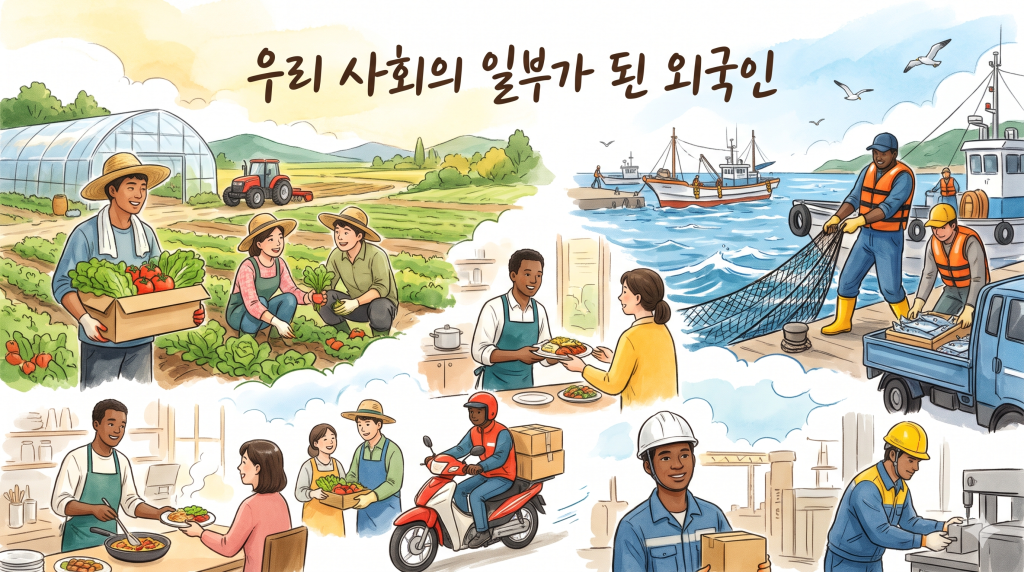
외국인 노동자는 우리에게 절대적으로 필요하기 때문에 수입한 거나 다름 없다. 돈을 그들에게 주어도, 그들이 있어야 농업이 가능하고 건축이 가능하고 서비스업이 가능하고 수산물을 얻을 수 있다. 그래서 우리는 노동력을 수입해서라도 우리의 산업을 일으키는 것이다. 그런데 놀랍게도 그들은 이곳에서 소비를 하며, 부동산 값이 떨어지지 않게 받쳐주고, 우리 사회의 비즈니스가 돌아가게 해 준다. 일반 소비재 원자료 수입에 쓰는 돈에 비해서, 노동력 수입은 엄청 남는 장사다. 너무나도 크게 유익하다.
그들이 계속 우리들에게 노동력을 제공하게 하려면 외국인들을 존중해 주어야 한다. 어느날 갑자기 희토류나 원유 수출을 중단하면, 큰 문제가 생기듯, 한국에 대한 노동력 수출 매력이 떨어지면 외국인 노동력은 구하는 것 조차 어려워질 수 있기 때문이다. 그들에게 인격적인 존중을 하고 내국인들이 누릴 수 있는 것과 같은 대우를 해줄 때 안정적인 노동 공급을 얻을 것이다.
물론 외국인들로 인해 여러가지 사회 문제가 발생할 수 있다 . 그런 점에서 노동력 수입은 재화 수입과는 다르다. 하지만 구더기 무서워 장을 담지 못하면, 장을 맛볼 수 없다. 시민의 공복인 공무원은 “외국인 노동력 수입이 유익하지 못하다”는 말을 하면 안 된다. 그건 공복의 자세가 아니다. 구더기 제거 방법을 마련하는 게 공복이 할 일이다.
그런 점에서 외교부가 더욱 분발해야 한다. 비자를 거부하는 게 외교부의 할 일이 아니라, 외국인이 우리 나라에 들어와 사회 문제를 일으키지 않도록 사전 교육하는 것을 비자 발급과 연계시켜야 한다. 그래서 실내에서는 담배를 피우지 말게 교육시키고, 공공장소에서 몰려다니며 큰 소리로 떠드는 것을 주의시키고, 아무데서나 노상방뇨하지 않도록 가르쳐야 한다. 그런 교육을 받은 후, 비자발급을 해줘야 한다.
동시에 외국인들에 대한 이해를 증진시키는 일을 하는 것도 필요하다. 세계화 시대에, 그리고 우리나라가 가장 살기좋은 나라가 된 이 시대에 외국인들이 몰려오는 것은 막을 수 없다. 우리가 그 옛날 해외에 나가 돈을 벌어와야 했던 올챙이 시절을 기억하고 사랑으로 문화강국의 모습을 보여주어야 한다.
Foreigners Who Have Become Part of Our Society
To say that “they are not of much help” is an entirely misguided perspective. For those of us living in a capitalist era, there is only one reason we “import” anything: because it brings us tremendous benefit. The reason we pay money to make a purchase is that we judge its value to be greater than the cost. The money paid for imports is transferred 100% to that country. Yet, because we must import oil to drive our cars and run our industries, we have no choice but to import it no matter how expensive it is.
Importing foreign workers is no different—we do so because they are absolutely essential to us. Even as we pay them wages, their presence is what makes agriculture, construction, service industries, and fisheries possible. Therefore, we import labor to keep our industries alive. Strikingly, however, they also consume goods right here, support real estate values from plunging, and keep our society’s businesses running. Compared to the money spent on importing raw materials for general consumer goods, importing labor is an immensely profitable proposition. It is exceptionally beneficial.
If we want them to continue providing us with labor, we must treat foreigners with respect. Just as a sudden halt in rare earth or crude oil exports would create severe issues, if South Korea loses its appeal as a labor destination, even securing foreign labor could become difficult. Only when we treat them with personal dignity and provide them with the same treatment that nationals enjoy will we secure a stable supply of labor.
Of course, various social issues can arise due to foreign residents. In that regard, importing labor differs from importing physical goods. However, you cannot refrain from making soy sauce just for fear of maggots—otherwise, you will never taste the sauce. Public servants, as servants of the citizens, should never claim that “importing foreign labor is not beneficial.” That is not the attitude of a public servant. The duty of a public servant is to devise ways to eliminate the maggots.
In this respect, the Ministry of Foreign Affairs must step up its efforts further. Denying visas is not the proper task of the Foreign Ministry; rather, pre-entry education aimed at preventing foreigners from causing social problems in our country should be linked to visa issuance. They should be educated not to smoke indoors, cautioned against gathering and talking loudly in public places, and taught not to urinate in public anywhere. Visas should be issued only after they have received such education.
At the same time, it is necessary to promote understanding toward foreigners. In this era of globalization, and at a time when our country has become one of the most livable nations, the influx of foreigners cannot be stopped. Remembering our own “tadpole days” when we had to go abroad to earn money in the past, we ought to demonstrate the character of a cultural powerhouse with love.