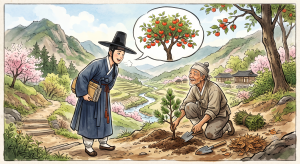
여러분, 동서양의 문화가 여러 가지로 많이 다른데요. 그중에서도 관혼상제의 여러 가지 절차 속에서 그 문화적인 차이가 많이 드러납니다. 장례 풍습을 보면요. 몇 년 전까지만 해도 우리나라에서는 전통 장례를 하면 곡을 하는 그런 풍습이 있었습니다. 통곡을 하는 거죠. “아이고 아이고.” 그런데요, 이 곡을 하는 것이 그냥 유가족들만 곡을 하는 게 아니었습니다. 그렇죠. 같이 조문 온 사람들뿐만 아니라 심지어는 울음꾼들도 있었어요. 그거 아십니까? 곡꾼, 곡을 해주는 거예요. 남의 집 장례에 가서 “아이고 아이고” 같이 곡을 하는 겁니다. 서양 문화는 많이 다르죠. 이 미국 사람들, 서구 사람들의 장례식은요, 굉장히 차분합니다. 슬퍼서 우는 사람들도 있지만 울더라도 그냥 속으로 혼자 흐느끼는 정도고 차분하게 위로하는 그런 분위기입니다. 그러면 성경 시대 유대인들의 장례 풍습은 어땠을까요?
우리가 서구로부터 기독교를 전해받았기 때문에 우리는 막연히 유대인들의 풍습은 서구적이지 않을까 생각하지만, 사실은요, 유대인들의 장례 풍습은 서구적이라기보다는 굉장히 동양적이고 우리 한국의 장례 풍습과 비슷한 게 많습니다. 그 대표적인 게 울음꾼입니다. 울음꾼. 우리나라에 “아이고 아이고” 하던 곡꾼들이 이 유대 문화에도 있었다는 거죠. 울어주는 사람들, 이 울어주는 사람들이 왜 있었을까요? 사람들이 울기 싫으니까 억지로 대신 울어주는 사람들을 둔 걸까요? 그건 아니고요, 오히려 거꾸로 유족들이 슬픔이 있고 울어야 되는데, 사실은 손님을 맞고 다른 사람들이 많이 쳐다보고 있으면 마음 놓고 울 수 있어요, 없어요? 없죠. 그런데 장례는 울어야 됩니다. 왜요? 장례의 모든 절차는 죽은 사람을 위해 있는 게 아니라 산 사람을 위해 있는 거거든요. 사랑하는 이를 떠나보내면서 그 슬픔을 드러내고 나타내고 쏟아내야, 그래야 다 보내고 지워내고 정상적인 삶으로 돌아올 수 있는 거죠.
그런데 절차와 형식과 예의 같은 것들이 진행되면 울고 싶은데 울지를 못합니다. 그러니까 이 울지 못하는 사람들을 위해서 울음꾼들이 도와주는 거예요. “아이고 아이고” 하면서 옆에서 소리 내어 울어주면 나 혼자 우는 것보다 어때요? 눈치를 덜 보게 되고 덜 부끄럽게 되고 마음껏 울음을 쏟아낼 수 있는 그런 효과가 있는 거죠. 그렇게 이별할 사람들을 잘 떠나보내고 마음의 슬픔들을 잘 쏟아낼 수 있도록 도와주는 역할을 했다는 겁니다. 뿐만 아니라 한 가지 비슷한 게 더 있어요. 사람이 죽으면 성 안에서 장사하지 않고 성 밖으로 그 시신을 메고 나가는 풍습입니다. 자, 여러분 서울에, 특히 4대문 안에 중요한 특징이 뭔 줄 아세요? 서울 4대문 안에 말고, 우리나라는 사람들이 사는 마을 근방의 야산이고 어디고 다녀보면 전부 다 무덤이잖아요. 그렇죠. 무덤이 없는 데가 없어요. 산소라 그러잖아요. 그런데 서울 4대문 안에는 무덤이 있을까요, 없을까요?
서울 4대문 안에는 무덤이 없습니다. 심지어 서울 4대문 안에는 왕릉도 없습니다. 왕의 무덤도 4대문 밖으로 나가야 돼요. 죽으면 무조건 성문 밖으로 나가야 돼요. 유대인들의 풍습도 그랬습니다. 성 안에서 사람이 죽으면 그 안에서 장례를 치르는 것이 아니라 성 밖으로 시신을 메고 나갑니다. 그 메고 나가는 모습이 우리나라 옛날 전통 장례에서 상여 나가는 거 기억하시죠? 예예, 저도 저희 큰아버지 돌아가실 때만 해도 상여 나가는 걸 저도 봤어요. 우리나라의 상여 나가는 모습과 유대인들이 상여를 나가 메는 모습이 아주 비슷합니다. 자, 그 상여 나가는 모습을 여러분 한번 생각하시면서 오늘 한 사람의 장례 이야기를 하려고 합니다. 장례가 슬프지 않은 장례가 하나도 없지만, 이 장례는 아마도 세상의 장례 중에 가장 슬픈, 슬퍼도 너무 슬픈 그런 장례의 행렬이었을 겁니다. 어떤 장례인지 한번 볼까요? 오늘 본문의 11절, 12절을 보시죠.
그 후에 예수께서 나인이라는 성으로 가실새 제자와 많은 무리가 동행하더니, 성문 가까이 이르실 때에 사람들이 한 죽은 자를 메고 나오니 이는 한 어머니의 독자요, 그의 어머니는 누구라고요? 과부라. 예, 한 어머니의 외아들이 죽은 것도 정말 슬픈데, 그런데 이 어머니는 누구라고요? 과부예요, 과부. 과부의 외아들이 죽었어요. 여러분, 이게 웬 날벼락입니까? 과부는요, 남편이 없으니까 삶의 소망이 없어요. 유대인들 농경사회에서 땅이 그들의 기업인데, 여러분, 땅은 남자들에게 상속이 되는 겁니다. 남편을 잃은 과부는요, 기업이 없는 사람이에요. 소망이 없는 사람이에요. 그러니까 그의 유일한 소망은 뭐냐? 다행히 외아들이 있었어요. 외아들이 그 죽은 남편의 몫인 기업을 물려받아 어머니를 봉양해야 되는 겁니다.
그래서 룻기에 보면 하나님께서 나오미가 과부가 됐고, 나오미의 며느리 룻도 과부가 됐고, 그래서 그들에게 기업이 없고 소망이 없었는데, 보아스를 통해서 기업 물을 자가 되게 하셔서 룻에게 아들을 낳게 하시니까 사람들이 뭐라 그랬어요? 하나님께서 나오미에게 기업 물을 자가 없게 하지 아니하셨다. 야, 그러면서 아이를 낳은 룻보다, 그 아버지 보아스보다 나오미가 더 기뻐해요. 그런데 여러분, 이 과부에게는 있던 외아들마저 세상을 떠나버렸습니다. 자, 여러분 이런 얘기 아시죠? 부모가 돌아가시면 땅에 묻고 자식이 죽으면 어디에 묻어요? 가슴에 묻는다고. 이 어머니 과부가 그 유일한 소망이던 외아들을 잃어버렸으니, 그 어머니는 어디에 그 아들을 묻겠습니까? 어디에도 묻을 수가 없어서 그 아들의 시신을 메고 나오며 이 어머니는 정신을 잃고 통곡을 했을 겁니다.
그리고 그 성의 많은 사람들도 그 어머니와 함께 같이 울며 통곡하며 그 장례의 행렬이 그 성의 문으로부터 나왔을 겁니다. 이때가 언제냐? 본문에 “그 후에” 그렇게 돼 있는데요. 예수께서 가버나움에서 백부장의 종을 고치신 그다음 날이에요. 바로 그 직후예요. 어디서요? 갈릴리에 있는 나인성. 나사렛에서 한 8km 떨어진 그런 곳입니다. 그곳에서 예수님과 제자들과 그리고 따르는 많은 무리가 나인성 가까이 가고 계셨어요. 그때 성에서 시신을 메고 나오는 이 장례 행렬과 만나게 됩니다. 세상에, 세상에, 어차피 호상이라는 건 있을 수 없는 거죠. 그렇죠. 어떤 분이 장례식 가서 “에이, 호상인데 기뻐하세요, 좋아하세요.” 저희 할머니가 돌아가셨을 때 어떤 분이 그런 얘기하는 걸 듣고 제가 속에서 이렇게 뿔이 났었어요. 호상이라니요? 사랑하는 할머니 얼굴을 못 뵙게 됐는데. 그렇죠. 세상에 호상이란 없습니다. 그러나 이건요, 흉상 중에서도 너무나 말로 할 수 없는 흉상입니다.
아무리 죽음에 익숙하고 의연한 사람이라도 정말 처절한 아픔을 느낄 수밖에 없는 그런 슬픈 모습이죠. 그러니까 이 행렬에 많은 사람이 함께 울며 뒤따르고 있습니다. 과부에게 친척이 있으면 얼마나 있고, 정승집 개가 죽으면 조객이 많아도 정승이 죽으면 썰렁하다는 건데, 과부 아들의 죽음에 무슨 그렇게 대단한 걸 바라보고 조문객들의 행렬이 따랐겠어요? 너무 슬프니까, 너무 안타까우니까 사람들이 같이 울어주고 있는 겁니다. 그런데 여러분, 이게 중요해요. 로마서 12장에 “즐거워하는 자들과 함께 즐거워하고 우는 자들과 함께 울라.” 이게 너무나 중요합니다. 여러분, 주님은 우리에게 그들의 눈물에 대해서 해결사가 되어라 그렇게 말씀하지 않으셨어요. 여러분이 그들의 눈물을 다 해결해 주실 수 있습니까? 그러실 수 있으세요? 그럴 수 없죠. 우리가 예수 믿는 사람이라고 해서 우리가 해결사 노릇하며 살 수는 없습니다.
그러나 여러분, 예수 믿는 우리들이 할 수 있는 게 있습니다. 그게 뭐죠? 우는 자들과 함께 우는 거예요. 같이 울어줄 수는 있습니다. 그들의 눈물을 내가 해결해 줄 수는 없어도 내가 그들과 함께 울어줄 수 있고 그것이 중요하다는 겁니다. 그렇게 지금 이들은 아마도 동네 밖에 있는, 산비탈에 있는 어떤 동굴로 향하고 있을 거예요. 그 동굴에 시신을 모아두고, 그 동굴 안에서 시신이 다 썩어서 분해되고 백골만 남으면 그 백골을 다시 추려서 가족의 묘실에 보관하는 게 유대인의 장례 풍습입니다. 그래서 그 성문을 통과해서 나가려고 하는데 한 무리의 사람들과 마주칩니다. 그리고 그 무리 가운데 있던 한 남자가 이들을 바라보다가 그 행렬 앞으로 다가옵니다. 13절을 보세요. 그분이 누굽니까? 주님, 주님, 나사렛 예수 그리스도. 주께서 그 과부를 보시고 불쌍히 여기사 뭐라고 말씀하셔요? “울지 말라, 울지 말라.” 그런데요,
여기서 주님이 “울지 말라” 하신 이 말씀은 “아, 울지 마세요. 믿음도 없이 왜 울어?” 하고 다그치고 꾸짖는 말씀이 아니었어요. 어떻게 알 수 있습니까? 그 앞에 뭐라고 돼 있어요? “불쌍히 여기시고.” 영어 성경에는 moved with compassion, with compassion. 긍휼히 여기는 마음을 가지고, 공감하는 마음을 가지고, 함께 슬퍼하시면서 그냥 감정적으로 불쌍히 여기시는 것만이 아니라 그 여인을 불쌍히 여기시는 마음으로 그 여인에게 다가가셨습니다. 여러분, 우리는 불쌍히 여기는 마음만 가지고 다가가지 않을 때가 많죠. 아니, 오히려 일부러 의도적으로 멀어질 때가 있죠. 왜요? 마음으로는 불쌍하지만, 딱하게 생각은 하지만, 가까이하면 왠지 내게 손해가 될 것 같은, 왠지 나에게 별로 안 좋을 것 같은 그런 일들이 있잖아요. 그런 사람들이 있잖아요. 우리는 그들을 바라보면서 불쌍하게 여기기만 하지 그들에게 다가지 않는 것이 사실 우리들의 모습입니다.
주님은 그 여인을 불쌍히 여기실 뿐만 아니라 그 여인을 향해 다가가셨습니다. 그리고 말씀하시는 거예요. “울지 마” 하고 다그치신 것이 아니라, 공감하시면서 마음 깊이 그의 아픔을 함께 느끼시면서 “울지 마세요.” 그분의 눈은 그 가엾은 여인을 바라보셨고, 그분의 마음은 그 여인의 아픔을 향하셨고, 그분의 음성은 그녀를 위로하는 따뜻한 음성으로 말씀하셨습니다. 그리고 그것만이 아니었습니다. 14절에 보세요. 가까이 가서 그 관에 어떻게 하셨어요? 손을 대시니. 그다음에 어떤 일이 일어나요? 멥던 자들이 서는지라. 왜 섰을까요? 얼음! 얼음! 요즘 말로 깜놀. 왜요? 큰일 날 일이거든요. 아니, 남의 관에 손을 대다니요. 유대인들에게는 있을 수 없는 일입니다. 유대인들은 관이나 시신에 손을 대면 부정해지는 거예요. 그러면 안 되는 거예요. 율법을 어기는 거예요. 그러니까 누구도 그런 행동을 하지 않습니다.
그 상여를 메고 나오던 사람들이 뒤로 나자빠질 정도로 놀라서 그 자리에서 얼음 하고 서 버린 거죠. 그리고 나서 가장 충격적인 장면이 그들의 눈앞에 펼쳐집니다. 14절 후반부부터 보세요. 예수께서 이르시되 “청년아, 내가 네게 말하노니 일어나라” 하시매, 죽었던 자가 어떻게 돼요? 일어나 앉고 말도 하거늘, 예수께서 그를 어머니에게 주셨습니다. 그분이 일어나라고 말씀하시자 죽은 청년이 벌떡 일어납니다. 죽은 시체예요. 여러분, 요새 좀비 영화가 많이 나오는데 좀비가 뭐예요? 죽은 시신이 일어나 돌아다니는 거예요. 그게 좀비예요. 거기에 생명이 있어요, 없어요? 없어요. 좀비는 죽은 거예요. 죽은 놈이 돌아다녀요. 그러니까 큰일이죠. 그런데 이건 그런 일이 아닙니다. 죽은 시신이 움직이는 게 아니고요, 죽은 자에게 생명이 살아나고, 그가 살아나 일어나 산 자로 그들 앞에 섰다는 겁니다. 그러니 얼마나 놀랍습니까?
온 장례의 행렬, 슬픔과 비통의 눈물로 젖어 있던 그 행렬이 놀라움과 기쁨과 또 의심스러운 반신반의, “이거 뭐지? 진짜 살아난 거야?” 술렁술렁술렁. 그때 이 장면을 목격한 사람들의 반응을 여러분 한번 생각해 보세요. 그들의 눈이 어디를 향하고 있을까요? 우선 그 살아난 청년. “그 청년 진짜 살아났어?” 눈 크게 뜨고 다시 보고, 어떤 사람은 가서 꼬집어보지 않았을까요? 우리 김성숙 집사님이 그러셨을 것 같아요. 가서 한번 이렇게 꼬집어 보셨을 것 같아요. 그런데 그 청년에게만 눈이 머물러 있지 않아요. 더 놀라운 건 누구예요? 그 청년을 살리신 그분이죠. “일어나라” 하신 그분. 눈이 곧 그분에게로 돌아갑니다. 그리고 그분을 바라봅니다. 16절 보십시오. 모든 사람이 두려워하며 하나님께 영광을 돌려 이르되, “큰 선지자가 우리 가운데 일어나셨다” 하고, 또 하나님께서 자기 백성을 어떻게 하셨다고요? 돌보셨다. 할렐루야. 예, 예.
그들의 눈이 그분을 바라보고, 그분을 바라보면서 하는 얘기가 뭐냐? “큰 선지자가 우리 가운데 나셨다.” 왜요? 왜요? 그들의 눈에 떠오른, 그들의 머릿속에 떠오른 선지자들이 있었어요. 그게 누굽니까? 아합왕 때에 가뭄이 들고 온 이스라엘이 고통받고 있을 때, 사르밧 과부의 죽은 아들을 살렸던 엘리야 선지자가 그들의 머릿속에 바로 떠올랐을 겁니다. 엘리야뿐만이 아닙니다. 그의 제자 엘리사도 수넴 여인의 죽은 아들을 살렸던 그 놀라운 역사가 기억이 날 겁니다. 그러니까 그들은 말합니다. “하나님께서 우리 시대에 다시금 엘리야와 같은 큰 선지자를 우리에게 보내주셨다.” 그리고 하는 말이 더 놀랍습니다. “하나님이 자기 백성을 돌보셨다.” 하나님이 자기 백성을 돌보셨다는 겁니다. 하나님이 그의 백성을 이 고통과 슬픔 가운데 버려두지 않으셨다. 그 여인의 고통과 슬픔만 말하는 게 아닙니다. “우리 앞에 있는 이 사람을 보라.
이 놀라운 선지자를 보라. 죽은 자를 살리는 이분의 능력을 보라. 이는 하나님이 보내신 큰 선지자요.” 그렇다면 말라기 선지자가 말한 것처럼 이제 엘리야를 보내주시겠다 하신 그 일이 이루어졌고, 우리 앞에 있는 이 사람을 볼 때, 하나님의 능력을 행하는 이 사람을 볼 때, 하나님이 자기 백성을 버려두지 않으시고, 하나님이 그 눈물 흘리는 그의 백성, 고통받는 그의 백성을 이제 돌보셨다 하는 것을 그들이 깨닫고 선포하고 있다는 겁니다. 그렇습니다. 하나님이 자기 백성을 돌보셨습니다. 영어 성경에는 God has come to help his people, God has come to his people. 하나님께서 자기의 백성을 도우시기 위해 오셨다. 그들의 삶의 자리, 그 슬픔의 자리, 그 고통의 자리로 하나님께서 오셨다. 하나님이 그저 놀러 오신 것이 아니고요, 하나님이 약속하신 그 모든 구속의 언약을 성취하기 위해서 오셨다는 겁니다. 여러분, 구약의 모든 이야기들을 떠올려 보십시오. 출애굽의 때에 하나님이 어떻게 하셨습니까?
그 백성 이스라엘이 애굽에서 바로의 치하에서 고통받고 신음하고 있을 때, 하나님께서 그들이 고통을 겪는 것을 보시고, 하나님께서 그들의 고통의 신음 소리를 들으시고 그들 가운데 찾아오셨던 기억을 그들은 분명히 갖고 있습니다. 선지자 엘리야 때에는 어땠습니까? 아합왕, 가장 사악한 왕이 이방 여인 이세벨과 함께 온 이스라엘을 범죄하게 하고 착취하고 그들의 땅을 빼앗고, 그래서 하나님께서 그들에게 벌을 내리셔서 온 땅에 비가 오지 않고 바싹 말라 땅이 불타고 있었던 그 시대에, 그때에도 하나님은 선지자 엘리야를 그들 가운데 두시고 선지자 엘리사를 그들 가운데 세우셔서 이스라엘의 병거와 마병으로 그들을 지키시고 돌보시는 하나님이셨다는 겁니다. 그렇습니다. 그 하나님이 지금 그 백성을 돌보기 위하여 오셨습니다. 지금이야말로 하나님의 백성들이 기다리던 그때가 그들의 눈앞에 이루어졌다는 사실을 그들이 고백하고 있는 겁니다. 자, 여러분 이 장면을 우리 자신들에게 한번 다시 적용해 봅시다.
1세기 갈릴리의 작은 마을에 있는 장례 행렬의 슬픔이 아니라 여러분 자신의 삶 속에 있었던 그 슬픔의 기억들, 아니 여러분이 지금도 두려워하고 있는 그런 슬픔의 순간들을 한번 그려보십시오. 내 사랑하는 가족이 정말 예기치 못했던 불의의 사고를 당했었던 그 순간, 설마 그런 병이 나에게 생길 것이라고 생각지도 상상해 본 적도 없는데 내가 그런 진단을 떡하니 받아들었을 때의 그 기억, 예상치 못했던 이별, 돌이킬 수 없는 실패. “아, 그때 그 순간에 내가 그거 한 번만 잘못하지 않았어도 내가 그런 실패를 겪지 않았을 텐데” 하고 두고두고 가슴을 치고 후회하게 되는 바로 그 장면, 그 순간을 여러분 한번 떠올려보십시오. 조용히 눈을 감으시고 그 슬픔의 한가운데로 들어가 보십시오. 그 슬픔과 좌절과 괴로움과 분노가 내 것인 바로 그 순간에, 예수님이 내 앞에 찾아오시는 모습을 떠올려 보십시오. 그분이 어떻게 하실까요?
그 고통과 슬픔과 좌절과 분노와 절망 속에 있는 나에게 예수님이 그분의 눈을 마주치신다면, 그분이 다가오신다면, 그분이 나에게 손을 대신다면, 그분이 나를 향하여 말씀하신다면 내 삶에 어떤 일이 일어날까요? 오늘 본문에 나오는 이 나인성의 슬픈 여인에게 그렇게 하셨던 것처럼, 주님은 내게 다가오셔서 어루만지시고 말씀하시고, 그리고 일어나라고 주저앉아 있는 나를 일으켜 세워주실 줄로 믿습니다. 여러분, 물론 우리의 삶을 돌아보면 주님은 때로 내가 기대하는 말씀을 하지 않으실 수도 있습니다. 그렇게 살려달라고 애원했던 내 사랑하는 가족을 데려가셨을 수도 있고요, 오랫동안 기도하고 있는 나의 육신의 질병을 여전히 고쳐주지 않으시고 계실 수도 있죠. 그렇습니다. 그러나 여러분, 더 중요한 것은 창조주 하나님, 내 인생의 주인 되신 그분께서 내게 찾아오셨다는 겁니다. 그분이 나의 삶을 포기하지 않으시고 돌보고 계시다는 사실입니다. 우리에겐 그것만 있으면 됩니다.
그 하나님이 여전히 나를 돌보고 계시다는 그 사실, 그것만 우리가 분명히 붙들고 있으면 그분 안에서 우리의 삶을 가장 좋은 길로 인도하여 주신다는 것을 우리가 분명히 믿고 살아가게 될 줄로 믿습니다. 여러분, 백부장의 하인을 생각해 보십시오. 이 백부장의 하인은 주인의 믿음 덕분에 병이 나았어요. 그렇죠. 그런데 가만히 생각해 보면 우리에게는 그 믿음이 있습니까? 여러분에게는 백부장 같은 그런 믿음으로 중보해 줄 사람이 있습니까? 뭐 있으시면 얼마나 감사하겠어요? 너무 좋죠. 그런데 가만히 생각해 보면 내게 있는 믿음도 그다지 자신이 없고, 가만히 둘러보니까 우리 마누라도 별 믿음이 없는 것 같고. 그렇죠? 주님은 뭐라고 말씀하셨어요? “온 이스라엘에게 이런 믿음이 없다.” 아니, 온 이스라엘에게도 없는 그 믿음이 나에게는 있겠어요? 어떻게 생각하세요? 여러분은 온 이스라엘보다 믿음이 좋으세요? 아니잖아요. 자신이 없잖아요.
그런데 나 같은 사람이 무슨 그런 기적을 기대할 수 있겠어요? 여러분, 그게 걱정이 되시고 그게 의심스러우시면 오늘 이 이야기를 잘 살펴보십시오. 7장을 10절까지만 읽는 분은 이런 의심과 걱정 속에 빠질 수 있는데, 그런 분은 11절부터 다시 한번 잘 읽어보십시오. 오늘 우리가 읽은 11절부터 17절 사이에 믿음 좋은 사람이 나옵니까? 찾으셨어요? 없어요. 이 나인성 과부가 평소에 믿음 생활 잘해서 예수님이 다가가셨다고 써 있어요? 아니죠. 그러면 이 죽은 아들이 믿음이 좋았다고 돼 있어요? 아닙니다. 그런 얘기 없습니다. 이 이야기에서 죽은 자가 다시 살아날 수 있다고 믿은 사람은 오직 예수님 한 분밖에 없습니다. 그렇죠. 아무도 믿음이 있다고 말할 수 있는 사람이 없어요. 물론 예수님은 우리에게 믿음의 증거를 보시길 원하십니다. 또 예수님의 치유 기적 이야기를 보면 “네 믿음이 너를 낫게 하였다”라고 말씀하신 것도 많이 나옵니다.
그런데 중요한 건, 믿음이라고 하는 어떤 감정의 강도가 주님이 나에게 다가오시고 나를 치유하시고 나를 살리시는 어떤 은혜의 조건이 될 수 없다는 겁니다. 중요한 건 뭐냐? 그분이 계시는 겁니다. 중요한 건 그곳에 그분이 계시고, 그분이 우리에게 다가오셨다는 겁니다. 중요한 건 내가 얼마나 열심히, 얼마나 충성스럽게 예수님을 잘 믿었느냐 하는 그 믿음의 강도 때문에 예수님이 저에게 은혜를 베푸시든지 말든지 하시는 게 아니고, 만약 그렇다면 저 같은 사람은 정말 아무것도 못 얻을 거예요. 중요한 건 우리 곁에 예수님이 계시고, 그 예수님이 우리를 긍휼히 여기시고, 더 중요한 건 그 예수님이 우리에게 찾아오셔서 우리를 만져주시는 분이시라는 거죠. 오직 그분이 하신 겁니다. 오직 그분이 저와 여러분을 살리셨습니다.
아멘! 그러므로 여러분, 우리를 찾아오신 그분의 은혜 앞에서, 하나님이 우리를 돌보셨다고 하는 이 놀라운 은혜의 선포 앞에서, 우리는 우리 자신이 아무리 부족한 사람이라고 해도 절대로 절망할 수 없는 것을 믿으시기 바랍니다. 절대로 절망해서는 안 되는 것을 여러분 아셔야 합니다. 절망하기엔 아직 이릅니다. 병들어 죽게 된 사람만이 아닙니다. 이미 죽은 자라도 그분이 살려내셨습니다. 그래도 숨이 붙어 있어야 살릴 수 있는 게 아닙니다. 우리가 보기에는 아무런 가능성이 없는 사람이라도 생명의 주님이 그를 일으키시면 그가 살아나게 되는 것을 여러분 믿으시기 바랍니다. 그래도 좀 믿음이 있어 보이는 사람에게만 이런 일이 일어나는 게 아닙니다. 꼭 나같이, 한번 따라해 보십시오. “꼭 나같이.” 누구 같이요? “나같이.” 지금부터 다 따라 해 보십시오.
믿음도 없고, 아는 것도 없고, 해놓은 일도 없고, 주식 계좌도 없고, 집도 없고, 믿음 좋은 아내도 없고, 든든한 남편도 없고, 똑똑한 자식도 없고 아무것도 없는 누구 같은 사람? 나 같은 사람! 그런 나 같은 사람이 뭘 바랄 수 있겠냐고 말씀하지 마십시오. 주님은 바로 나 같은 그런 사람을 불쌍히 여기시고, 주님의 마음은 바로 그런 사람들을 향해서 움직이시고, 주님이 그런 나를 바라보시고 그런 마음을 내게 주시고 내게 찾아와 말씀하시고 그런 나를 만지시는 주님이신 것을 여러분 믿으시기 바랍니다. 물론 이 어머니의 다시 살아난 아들은 분명히 다시 죽었을 겁니다. 그렇죠. 오늘도 세상의 많은 어머니들이 자기 자식을 가슴에 묻고 오열하면서 위로받기를 거절하고 있을 겁니다. 주님이 일일이 찾아다니시면서 그들을 다 고쳐주시고 다 눈물을 닦아주시면 좋겠는데 그렇게 하지 않으십니다. 그런 일이 어쩌면 안 일어나는 것 같아 보여요.
그렇다면 오늘 우리가 읽은 이 이야기가 도대체 무슨 의미가 있습니까? 그저 어느 한 순간에 어느 한 사람의 일시적인 위로를 위해서 주님이 오셨고 이런 일을 하신 겁니까? 아닙니다. 여러분, 주님은 결코 그것만을 위해서 이 일을 행하신 게 아니라는 사실, 그걸 우리가 바로 깨닫기 위해서 알아야 될 것이 있습니다. 이 누가복음을 끝까지 읽어가다 보면요, 23장에 가면 우리는 아들의 죽음 앞에서 통곡하는 또 다른 한 여인을 만나게 됩니다. 이 책의 초반에서는 이 여인의 남편이 등장했거든요. 그런데 뒤로 가면 이 남편 이야기가 안 나옵니다. 그렇게 보면 이미 이 여인은 과부가 된 거죠. 예, 남편을 잃었어요. 그런데 그 여인의 아들이 지금 십자가에서 처형을 당하고 죽임을 당하는 겁니다. 그 아들은 이 여인의 외아들은 아니었지만 장남입니다.
그런데 이 장남이 얼마나 든든하고 착한 아들이었냐 하면, 옆에서 같이 십자가 처형을 당하고 있는 다른 강도가 뭐라고 말하냐 하면 “우리는 우리가 행한 일에 상당한 보응을 받는 것이니 이에 당연하거니와, 이 사람이 행한 것은 옳지 않은 것이 없느니라.” 그런 아들이었다니까요. 행한 것마다 옳지 않은 것이 없었던 그 아들이 저렇게 십자가에 죽임을 당하는 것을 보는 그 어머니의 마음이 어떻겠어요? 심지어는요, 23장 47절에 보니까 백부장이—이 백부장은요, 그 처형을 담당하는 집행관이에요—로마의 집행관이 그 된 일을 보고 하나님께 영광을 돌려 이르되 “이 사람은 정녕 의인이었도다.” 아니, 제 손으로 죽여놓고 죽은 사람이 진짜 의인이었다고 그렇게 말할 사람이 누가 있겠어요? 오죽하면 그렇게 말했겠어요? 이 백부장의 입에서 나온 그 고백을 여러분 들어보셔야 됩니다. 그러니 그 아들, 그 의롭고 올바른 아들을 잃은 그 어머니, 그 과부의 마음이 어떠했겠어요?
이쯤 되면 여러분, 이 아들이 누구인지, 이 어머니가 누구인지 아시겠죠? 예, 그 아들은 우리 주 예수 그리스도 자신이시고, 이 어머니 과부는 그의 어머니 마리아였습니다. 아들을 잃은 그 과부를 불쌍히 여기시던 주님께서, 그 자신이 한 과부의 아들로 십자가에 달려서 그렇게 돌아가십니다. 왜요? 왜요? 그 과부의 죽은 아들을 살리신 주님께서 그 죽음을 피하실 능력이 없으셨을까요? 다른 이들을 살리신 이가 자기 자신을 살리실 능력이 없으셔서 그렇게 무기력하게 돌아가셨을까요? 주님은 나인성 한 과부의 슬픔을 그저 잠시 한번 해결해 주실 뿐만 아니라, 그 여인만이 아니라 온 세상 어머니들의 모든 슬픔과 모든 눈물을 영원히 온전히 완벽하게 닦아주시기 위해서, 스스로 자신을 그 한 과부의 아들로, 가장 슬픈 여인의 아들로 그의 생명을 내어주신 것을 여러분 믿으시기 바랍니다. 그것이 주님이 우리를 위해서 하신 일이에요.
그래서 이사야 선지자가 말한 것처럼 “그는 실로 우리의 질고를 지고 우리의 슬픔을 당하였거늘, 우리는 생각하기를 그는 징벌을 받아 하나님께 맞으며 고난을 당한다 하였노라.” 예, 그렇게 우리 주님이 바로 저와 여러분, 우리의 눈물을 닦아주시기 위해서 몸소 그 슬픔을, 그 고통을 당하시고 겪어내신 겁니다. 우리 주님이 그런 분이십니다. 우리 안에 있는 그 죄와 폭력성으로 우리가 서로를 죽이고 서로의 눈에 피눈물을 흘리게 하고 절망과 고통 속에서 살아가고 있을 때, 우리 주님은 스스로 그러한 우리의 죄와 폭력을 몸소 그 한 몸에 다 당하시고 그 죄의 대가를 몸소 다 치러내시며, 우리의 슬픔 그 한가운데로 들어오셔서 그 슬픔 한가운데 빠져 허우적거리고 있는 우리의 삶을 영원히 그곳으로부터 건져내신 분이신 것을 여러분 믿으시기 바랍니다. 누가복음 7장에는 그 은혜와 만난 사람들이 나옵니다.
한마디로 아무 자격이 없는 사람들. 이방인이고, 슬픔에 겨워 기댈 곳도 없었고, 이방인 백부장의 하인, 아들의 죽음 앞에서 아무 소망이 없어서 통곡하고 있었던 그 여인, 이렇다 할 믿음의 말도 할 줄 모르는 과부, 그리고 그저 그와 함께 우는 것밖에는 할 수 있는 일이 없었던 그 사람들이었죠. 중요한 건 주님이 그들과 함께하셨습니다. 주님이 그들을 보셨습니다. 주님이 그들에게 말씀하셨습니다. 주님이 그들을 만지셨습니다. 그 주님이 친히 자기 자신을 십자가에 내어주셔서 우리의 슬픔을 다 겪어내시고 우리의 눈물을 영원히 닦아주시는 것을 우리에게 약속하셨습니다. 그리고 이제 그 은혜가 부활의 주님과 함께, 부활하신 예수 그리스도의 영이신 성령과 함께 저와 여러분의 삶 가운데 영원히 함께하는 것을 여러분 믿으시기 바랍니다. 그렇습니다. 그 하나님의 나라가, 그 하나님 나라의 은혜가 그리스도 안에서 저와 여러분 가운데 온전히 이루어졌습니다.
우리는 그래서 그들이 외쳤던 이 말씀을 확인할 수 있습니다. “하나님께서 자기 백성을 돌보셨다.” 여러분, 세상이 불타는 것 같죠? 엘리야의 시대에도 그랬습니다. 세상에 가뭄이 들어서 온 땅이 불타는 것 같았습니다. 물 한 방울 얻을 수 없는 세상이었습니다. 오늘 우리가 살고 있는 세대도 그런 것 같습니다. 우리 대한민국만 이렇게 뜨거운 게 아니에요. 서유럽은요, 원래 여름에도 30도가 안 넘었어요. 서유럽은 여름에도 시원해요. 겨울에도 영하 1도 밑으로 안 떨어지고 여름에도 30도 위로 안 올라가서 서늘해서, 그래서 그 사람들이 늘 허옇게 다니는 거예요. 햇빛이 잘 안 나요. 원래 서유럽은 그래서 어쩌다 햇빛 나는 데 가면 서유럽 사람들은 웃통 벗어 던지고 막 일광욕하려고 해요. 안 그러면 몸에 곰팡이가 슬거든요. 그런 유럽이 40도가 넘는 불볕더위 때문에—유럽에는 원래 에어컨이 없거든요—정말 죽을 지경인 겁니다. 라인강 물이 바짝바짝 말라가지고요.
독일의 그 라인강의 기적을 이루던 독일에 에너지가 수송이 안 되고 원재료가 공급이 안 돼가지고 공장이 멈추고 있어요. 우리가 이루어놨던 것들이, 유럽이 불타고 미국이 불타고 우리 대한민국이 바싹바싹 말라 불타고 있는 일들. 더 무서운 건 이게 올해만 그럴 일이 아니고, 앞으로 우리가 사는 날 중에 아마 올해가 제일 시원할 겁니다. 그렇죠. 우리가 하나님의 창조 세계를 망가뜨렸어요. 하나님이 우리에게 주신 선물을 우리가 망가뜨렸어요. 그 하나님께서 때로 그 백성들을 바로 세우시기 위해서 그들에게 경고의 말씀을 전하고 계십니다. 그러나 여러분, 중요한 것은 이런 불더미 속에 하나님이 우리를 그냥 버려두신다? 우리는 끝났다? 요새 ‘이생망’ 그런 말 많이 하죠. 어차피 이번 생은 망했으니까 우리 그냥 천국 가는 것만 바라보고 살 거야. 아니요. 여러분, 성경은 결코 그렇게 말씀하고 계시지 않습니다. 어떤 상황 속에서도 하나님은 그 백성을 포기하지 않으십니다.
아멘! 그 어떤 상황 속에서도 하나님은 그가 택하신 백성과 그가 지으신 세상을 포기하지 않으십니다. 그래서 “하나님이 세상을 이처럼 사랑하사 독생자를 주셨으니” 하나님의 독생자 그분이 우리 가운데 오셨고, 그분이 우리를 돌보셨고, 오늘 그 은혜 가운데 돌보심을 받은 우리는, 우리가 울고 있는 삶의 자리에서 우리를 어루만지시는 그분과 함께 위로와 소망 가운데 새로운 생명의 삶을 살게 되었습니다. 할렐루야! 그렇다면 여러분, 오늘 우리가 마지막으로 생각해야 될 것, 오늘 그 은혜 가운데 돌보심을 받은 우리는 여전히 울고 있는 저 사람들 앞에서 어떻게 살아야 합니까? 우리가 복음서를 읽을 때마다, 우리가 예수 그리스도의 복음을, 그 은혜의 선물을 마주 대할 때마다 날마다 생각해야 되는 게 그것입니다.
이 은혜 받은 우리들이 여전히 울고 있는 저 사람들 앞에서 어떤 태도로 무엇을 어떻게 나누며 살아가야 할 것인가? 자, 여러분, 하나님 나라의 복음을 우리가 잘 깨달아야 합니다. 예수께서 우리를 위해서 베푸신 그 은혜, 그 생명의 은혜, 그 돌보심의 선물, 우리는 아무 공로와 자격도 없이 그 은혜로 말미암아 하나님 나라의 생명과 소망을 얻은 그의 백성들입니다. 주님이 우리에게 영원히 이루어 주실 그 나라, 예수 그리스도께서 죽음에 굴복하지 않으시고 부활하사 그 생명의 소망을 우리에게 주셨고, 새 하늘과 새 땅, 새 예루살렘을 약속하셨는데, 오늘 그 은혜 안에 소망 얻은 우리들이 이제는 도대체 어떻게 살아야 하는가? 그 은혜 안에 서 있는 우리들의 삶이 도대체 어떤 모습으로 어떤 가치를 구하며 살아야 하는가? 여러분, 거기까지 여러분의 믿음이 나아가셔야 됩니다. “어차피 천국 갈 거니까 이 세상 불타 없어져도, 망해도 어차피 나는 천국 갈 거니까 괜찮아. 뭐 환경이 어떻고 생태가 어떻고 따지고 살 거 없어. 그냥 쓰고 살다가 누리며 살다가 다 망하면 나는 천국 가겠지.” 그겁니다?
여러분, 형제를 잃고 가족을 잃고 삶의 슬픔의 자리에서 고통당하고 있는 자들에게, 울며 통곡하며 위로받기를 거절하고 있는 그들에게 “울지 마. 믿음도 없이 왜 울어? 천국 갈 텐데, 천국 가면 만날 텐데 왜 울어?” 그런 말이 위로가 됩니까? 우리가 그렇게 살아야 됩니까? 그것이 예수의 복음이고 그것이 예수의 마음입니까? 그렇다면 하나님은 그의 아들을 이 땅에 보내지 않으셨을지도 모릅니다. 주님은 이 땅에 울고 있는 자들을 위해 오셨습니다. 이 땅에 울고 있는 자들에게 다가가셨습니다. 손 내밀어 그들을 만지셨고, 그들의 삶을 일으켜 세우셨습니다. 그리고 주님의 그 생명이, 그 불쌍히 여기시는 마음이, 그 은혜가 오늘 우리들에게도 이 땅의 통곡 가운데서 유일한 소망으로, 하나님이 우리를 돌보셨음을 선포하시는 소망의 메시지가 되었습니다.
오늘 우리는 여전히 울고 있는 그들 앞에 어떻게 해야 됩니까? 주님의 마음으로 그들을 바라보십시오. 주님의 마음으로 그들의 슬픔에 공감하십시오. 기뻐하는 자들과 함께 기뻐하고 우는 자들과 함께 우십시오. 그리고 주님의 마음으로 그들에게 다가가 그들과 함께하며 그들을 어루만지고, 그들에게 “울지 마세요. 일어나세요. 우리에게 소망이 있습니다. 생명 주시는 그분이 우리와 함께 계십니다” 하고, 하나님이 우리의 삶을 여전히 포기하지 아니하시고 여전히 우리와 함께 우리를 돌보고 계시는 것을 그들에게 보여 주십시오. 그들과 함께하는 우리의 모습으로, 기꺼이 십자가를 향해 나아가셨던 예수님처럼 기꺼이 우리 자신을 내어주는 그 믿음으로 진정한 부활의 나라, 진정한 생명의 나라, 그 영원한 소망을 그들에게 전하는 저와 여러분 되시기를 주의 이름으로 축원합니다.
God Has Visited His People
Brothers and sisters, Eastern and Western cultures differ in many ways. Among these, cultural differences are clearly revealed through the various procedures of rites of passage. Looking at funeral customs, until just a few years ago in our country, when a traditional funeral was held, there was a custom of wailing. People would weep bitterly—”Aigo, aigo!” But this wailing was not done only by the bereaved family. Isn’t that right? Not only the mourners who came to pay their respects, but there were even professional mourners. Did you know that? Professional mourners—they wail for others. They would go to someone else’s funeral and wail together, “Aigo, aigo!”
Western culture is quite different. The funerals of Americans and Westerners are very calm. Though some people cry because they are sad, even if they cry, it is just weeping quietly to themselves, and the atmosphere is one of calm comfort.
Then what were the funeral customs of the Jews in biblical times like? Because we received Christianity from the West, we vaguely think that Jewish customs might be Western. But actually, Jewish funeral customs were not Western; rather, they were very Eastern, with many similarities to our Korean funeral customs.
The most prominent example is professional mourners. Professional mourners—those who wailed “Aigo, aigo” in Korea existed in Jewish culture as well. People who mourn for others—why did they have these people? Was it because people didn’t want to cry, so they hired others to cry for them forcibly? No, it was quite the opposite. The bereaved family felt deep sorrow and needed to weep, but when receiving guests and being watched by many people, can you cry freely? You cannot, right? Yet at a funeral, one must cry. Why? Because all the procedures of a funeral are not for the dead, but for the living. As you send away a loved one, you must express, reveal, and pour out that sorrow; only then can you let them go, clear your heart, and return to normal life.
However, when procedures, formality, and etiquette take over, people want to cry but cannot. Therefore, for those who cannot weep, the professional mourners help them. When they wail “Aigo, aigo!” beside them out loud, how is it compared to weeping alone? You care less about what others think, feel less self-conscious, and can pour out your tears freely. They played the role of helping people say a proper farewell to those departing and pour out the sorrow in their hearts.
Furthermore, there is one more similar aspect: when someone dies, the custom is not to bury them inside the city, but to carry the body outside the city. Now, everyone, do you know an important characteristic inside Seoul, especially within the Four Main Gates? Not inside the Four Main Gates of Seoul, but when you look around the hills and places near the villages where people live in Korea, they are all graves, aren’t they? There is no place without graves—we call them burial mounds. But inside the Four Main Gates of Seoul, are there graves or not?
Inside the Four Main Gates of Seoul, there are no graves. Even royal tombs do not exist inside the Four Main Gates of Seoul. The King’s tomb also had to go outside the Four Main Gates. When someone dies, they must unconditionally go outside the city gates. The custom of the Jews was the same. When someone died inside the city, they did not conduct the funeral inside, but carried the body outside the city. Do you remember how a funeral bier was carried out in our traditional funerals of the past? Yes, even when my eldest uncle passed away, I saw the funeral bier being carried out. The way a funeral bier was carried out in Korea and the way the Jews carried out a funeral bier were very similar.
Now, as you picture that scene of the funeral bier being carried out, I want to tell you a story about a funeral today. There is no funeral that is not sad, but this funeral was probably the saddest in the world—a funeral procession that was sorrowful beyond words. Shall we see what kind of funeral it was? Look at verses 11 and 12 of today’s text:
“Soon afterward he went to a town called Nain, and his disciples and a great crowd went with him. As he drew near to the gate of the town, behold, a man who had died was being carried out, the only son of his mother, and she was a widow” (Luke 7:11–12a).
Yes, it is deeply heartbreaking that a mother’s only son died, but who was this mother? A widow. A widow’s only son died. Everyone, what a bolt from the blue! A widow has no husband, so she has no hope in life. In Jewish agrarian society, land was their inheritance, and land was inherited by men. A widow who lost her husband was a person without an inheritance, a person without hope. Therefore, her only hope was that fortunately she had an only son. The only son had to inherit the husband’s portion of the land and support his mother.
That is why in the Book of Ruth, when Naomi became a widow and her daughter-in-law Ruth also became a widow, they had no inheritance and no hope. But through Boaz, who became a redeemer, Ruth bore a son, and what did the people say? “Blessed be the LORD, who has not left you this day without a redeemer!” Ah, and Naomi rejoiced even more than Ruth who gave birth to the child, and more than Boaz the father. Yet, for this widow in Nain, even the only son she had passed away.
Everyone, you know this saying, don’t you? “When parents die, they are buried in the ground; when a child dies, where are they buried?” They are buried in the heart. Since this widowed mother lost her only son who was her sole hope, where could she bury that son? Unable to bury him anywhere, as she carried out her son’s body, this mother must have wept bitterly, losing her senses.
And many people of that town also wept with her, wailing bitterly as the funeral procession came out from the gate of the town. When was this? In the text, it says, “Soon afterward.” It was the very next day after Jesus healed the centurion’s servant in Capernaum—right after that. Where was it? In the town of Nain in Galilee, about 8 kilometers away from Nazareth. Jesus, His disciples, and a large crowd following Him were drawing near to the town of Nain. At that moment, they met this funeral procession carrying out a body from the town.
Oh my goodness! In any case, there is no such thing as a “blessed death.” Right? When someone goes to a funeral and says, “Oh, it was a blessed death, so please be happy and rejoice,” when my grandmother passed away, I heard someone say that, and I felt so upset inside. A blessed death? When I can no longer see my beloved grandmother’s face? That’s right—there is no such thing as a blessed death in this world. But this was an unspeakable tragedy among tragedies.
No matter how accustomed to death or composed a person might be, it was such a mournful scene that one could not help but feel deep pain. So many people in this procession were weeping together as they followed behind. How many relatives could a widow have? As the saying goes, “When a minister’s dog dies, there are many mourners, but when the minister dies, it is desolate.” What great expectation could draw a procession of mourners to a widow’s death or her son’s death? Because it was so heartbreaking, so tragic, people were weeping together with her.
But everyone, this is important. In Romans 12: “Rejoice with those who rejoice, weep with those who weep.” This is so important. Everyone, the Lord did not tell us to be problem solvers regarding their tears. Can you solve all their tears? Can you do that? We cannot. Just because we believe in Jesus does not mean we can live as problem solvers.
However, everyone, there is something we who believe in Jesus can do. What is it? It is weeping with those who weep. We can weep together with them. Even if I cannot solve their tears, I can weep with them, and that is what matters.
So right now, they were probably heading toward a cave on a hillside outside the village. They would place the body in that cave, and inside the cave, after the body completely decomposed and only white bones remained, they would gather those bones and preserve them in the family tomb—that was the Jewish funeral custom.
As they were trying to pass through the city gate, they encountered a crowd of people. And a man from among that crowd looked at them and stepped forward in front of the procession. Look at verse 13. Who is He? The Lord, the Lord—Jesus Christ of Nazareth. When the Lord saw the widow, He had compassion on her and what did He say to her? “Do not weep.”
Now, here, when the Lord said, “Do not weep,” it was not a scolding or rebuking statement like, “Oh, don’t cry! Why are you crying without faith?” How do we know this? What does it say before that? “He had compassion on her.” Moved with compassion, with compassion—having a merciful heart, an empathetic heart, grieving together with her. He did not merely feel emotional pity, but with a heart of deep compassion for that woman, He drew near to her.
Everyone, we often do not draw near when we only have pity in our hearts, don’t we? Rather, we sometimes deliberately keep our distance. Why? Although we feel sorry in our hearts and feel bad for them, we know that if we get close, it might somehow cause us loss or be disadvantageous to us. There are such situations, such people, right? We just look at them and feel pity without stepping closer to them—that is often our reality.
The Lord not only had compassion on the woman, but He also stepped toward her. And He spoke to her—not scolding her with “Don’t cry,” but empathetic, deeply feeling her pain in His heart as He said, “Do not weep.” His eyes looked upon that pitiful woman, His heart reached toward her pain, and His voice spoke with warm words of comfort.
And that was not all. Look at verse 14. He came up and touched what? The bier. Then what happened next? The bearers stood still. Why did they stop? They froze! In modern terms, totally shocked! Why? Because it was a grave matter. Touching someone else’s coffin? That was unthinkable for Jews. To Jews, touching a coffin or a dead body made one unclean. It was forbidden—a violation of the Law. So no one would ever do such a thing.
The people carrying the bier were so shocked they almost fell backward, freezing right in their tracks. And then, the most shocking scene unfolded before their eyes. Look at the latter part of verse 14:
“And he said, ‘Young man, I say to you, arise.’ And the dead man sat up and began to speak, and Jesus gave him to his mother” (Luke 7:14b–15).
When He commanded him to arise, the dead young man sprang up! He was a dead corpse. Everyone, these days there are many zombie movies—what is a zombie? A dead body getting up and walking around—that is a zombie. Is there life in it? No, there isn’t. A zombie is dead. A dead thing walking around—that’s a disaster! But this was no such thing. It was not a dead corpse moving around; life was restored to the dead man, and he was raised up to stand before them as a living person. So how astonishing must it have been!
The entire funeral procession, soaked in tears of sorrow and anguish, was filled with amazement, joy, and suspicious disbelief—”What is this? Did he really come back to life?”—a commotion of murmurs. Think about the reaction of the people who witnessed this scene. Where were their eyes directed? First, at the young man who came back to life: “Did that young man really come back to life?” Opening their eyes wide to look again—wouldn’t someone have gone over and pinched him? I think our Deaconess Kim Seong-suk would have done that! She would have gone over and pinched him.
Yet their eyes did not remain only on the young man. Who was even more amazing? The One who raised that young man! The One who said, “Arise!” Their eyes quickly turned to Him. And they looked at Him. Look at verse 16:
“Fear seized them all, and they glorified God, saying, ‘A great prophet has arisen among us!’ and ‘God has visited his people!'” (Luke 7:16).
Hallelujah! Yes, yes.
Their eyes looked at Him, and as they looked at Him, what did they say? “A great prophet has arisen among us!” Why? Why? Because prophets came to their minds, remembered in their hearts. Who were they? When King Ahab reigned, drought struck, and all Israel was suffering, the prophet Elijah who raised the dead son of the widow of Zarephath would have immediately come to their minds. Not only Elijah, but his disciple Elisha who raised the dead son of the Shunammite woman—that marvelous work would be remembered.
So they said, “God has sent us a great prophet like Elijah once again in our time!” And what they said next is even more amazing: “God has visited his people!” God has visited His people! God did not abandon His people in this suffering and sorrow. They were not talking only about that woman’s suffering and sorrow. “Look at this man before us! Look at this amazing prophet! Look at His power to raise the dead! He is a great prophet sent by God!”
If so, just as the prophet Malachi spoke that He would send Elijah, that work had now been fulfilled. Seeing this person before them, seeing this person working the power of God, they realized and proclaimed that God had not abandoned His people, but had now visited His weeping people, His suffering people.
That’s right. God has visited His people. In English Bibles, it says: “God has come to help his people,” “God has come to his people.” God has come to help His people! God came to the place of their lives, the place of their sorrow, the place of their suffering. God did not come casually; He came to fulfill all the covenants of redemption that He had promised.
Everyone, recall all the stories of the Old Testament. At the time of the Exodus, how did God act? When His people Israel were suffering and groaning under Pharaoh’s rule in Egypt, they clearly held the memory that God saw them suffering, heard their groans of agony, and came down among them. What about the time of the prophet Elijah? When Ahab, the most wicked king, together with the pagan woman Jezebel, led all Israel into sin, exploited them, and stole their land—so that God punished them, and the entire land burned without a drop of rain—even in that era, God placed the prophet Elijah among them and raised up the prophet Elisha among them to be the chariots and horsemen of Israel, protecting and caring for them.
That’s right. That very God has now come to visit His people. The time that God’s people had been waiting for had come to pass right before their eyes, and they were confessing this truth.
Now, everyone, let us apply this scene to ourselves once again. Not the sorrow of a funeral procession in a small 1st-century Galilean village, but picture the memories of sorrow in your own lives—or the moments of sorrow that you still fear today. That moment when a beloved family member suffered an unexpected, tragic accident; that memory when you received a diagnosis out of nowhere, having never imagined or thought such a disease could happen to you; unexpected farewells, irreversible failures—”Ah, if only I hadn’t made that one mistake at that moment, I wouldn’t have suffered such failure”—that very scene, that moment over which you beat your chest and regret again and again, bring it to mind.
Quietly close your eyes and step into the middle of that sorrow. In that very moment when sorrow, frustration, pain, and anger were yours, picture Jesus coming before you. What would He do?
To me, in the midst of pain, sorrow, frustration, anger, and despair, if Jesus meets my eyes, if He draws near to me, if He lays His hand on me, if He speaks to me—what will happen in my life? Just as He did for this sorrowful woman in Nain in today’s passage, I believe the Lord will draw near to me, touch me, speak to me, and raise me up from where I am crouched down.
Everyone, of course, looking back on our lives, the Lord may sometimes not say the words we expect. He might have taken away a beloved family member whom we pleaded with Him to save; He might not yet have healed our physical illness for which we have been praying for a long time. That is true. But everyone, what is more important is that God the Creator, the Master of my life, has visited me. The fact is that He has not given up on my life and is caring for me. We only need that.
If we firmly hold onto the fact that God is still caring for us, we will surely live believing that in Him, He will guide our lives along the best path.
Everyone, think of the centurion’s servant. This servant of the centurion was healed thanks to his master’s faith. Right? But when we think about it carefully, do we have that kind of faith? Do you have someone who will intercede for you with the faith of a centurion? Well, how thankful we would be if we had someone like that! That would be wonderful. But thinking carefully, I am not very confident in the faith I have, and looking around, my wife doesn’t seem to have much faith either. Right? What did the Lord say? “I have not found such faith in all Israel.” Now, if even all Israel didn’t have such faith, would I have it? What do you think? Is your faith better than all Israel’s? No, it isn’t, is it? You lack confidence.
Then how could a person like me expect such a miracle? Everyone, if you are worried or doubtful about that, look closely at today’s story. Those who read Luke chapter 7 only up to verse 10 might fall into such doubt and worry, but if so, please read carefully again from verse 11 onward. Among verses 11 to 17 that we read today, does anyone with great faith appear? Did you find one? There is no one. Is it written that this widow of Nain was approached by Jesus because she lived a faithful life? No. Then is it written that this dead son had great faith? No, there is no such statement. In this story, the only person who believed that the dead could be raised back to life was Jesus alone.
That’s right. There is no one who can be said to have faith. Of course, Jesus desires to see the evidence of faith in us. Also, in the stories of Jesus’ healing miracles, there are many instances where He said, “Your faith has made you well.”
However, what is important is that a certain emotional intensity called “faith” cannot be a condition of grace for the Lord to approach me, heal me, and save me. What is important? That He is there. What matters is that He was there in that place, and He drew near to us. What matters is not whether Jesus grants me grace or not depending on the intensity of my faith—how hard or how faithfully I believed in Him—if that were the case, a person like me would truly receive nothing! What matters is that Jesus is beside us, that Jesus has compassion on us, and even more importantly, that Jesus is the One who comes to us and touches us. Only He did it. Only He saved you and me.
Amen! Therefore, everyone, before His grace as He comes to us, before this amazing declaration of grace that “God has visited His people,” please believe that no matter how lacking we may be, we can never despair! You must know that you should never despair. It is too early to despair. It is not only for those who are sick unto death; even one who was already dead, He raised to life! It doesn’t mean He can only save us while there is still breath left in us. Please believe that even for a person who seems to have no possibility in our eyes, if the Lord of life raises him up, he will come to life!
This kind of thing doesn’t happen only to people who seem to have a bit of faith. “Just like me”—repeat after me: “Just like me.” Like who? “Like me.” Everyone repeat after me from now on:
A person who has no faith, no knowledge, no accomplishments, no stock account, no house, no wife with great faith, no dependable husband, no smart children—a person like who? A person like me! Please do not say, “What could a person like me possibly hope for?” Please believe that the Lord pities precisely a person like me, the Lord’s heart moves toward precisely such people, and the Lord looks at me, places that heart within me, comes to speak to me, and touches me!
Of course, this mother’s resurrected son surely died again later. Right? Today too, many mothers in the world are burying their children in their hearts, weeping bitterly and refusing to be comforted. It would be wonderful if the Lord went around visiting every one of them, healing them all and wiping away all their tears, but He does not do that. It seems as though such things do not happen.
Then what meaning does this story we read today have? Did the Lord come and do this merely for a moment’s temporary comfort for one person at one point in time? No. Everyone, there is something we must understand to properly realize that the Lord never performed this work merely for that.
As we read through the Gospel of Luke to the end, when we reach chapter 23, we meet another woman weeping bitterly before the death of her son. In the beginning of this book, this woman’s husband appeared, but as we go further, there is no mention of her husband. Looking at it that way, this woman had already become a widow. Yes, she had lost her husband. And now her son was being executed on a cross and put to death. That son was not her only son, but he was her firstborn.
Yet how dependable and good a son this firstborn was! Another criminal being executed on a cross beside him said: “We are receiving the due reward of our deeds, and this is only right, but this man has done nothing wrong.” He was that kind of son! What must have been in the mother’s heart as she watched her son, who had done nothing wrong in everything he did, being put to death on a cross like that?
Even in Luke 23:47, the centurion—this centurion was the executioner, a Roman officer—when he saw what had taken place, praised God and said, “Certainly this man was innocent!” I mean, who would say the person they killed with their own hands was truly righteous? How remarkable must it have been for him to say that? You must hear that confession from the mouth of this centurion. So how must that widowed mother have felt, losing such a righteous and upright son?
By now, everyone, you know who this son is and who this mother is, don’t you? Yes, that son was our Lord Jesus Christ Himself, and this widowed mother was His mother Mary. The Lord, who had compassion on the widow who lost her son, Himself died on a cross as the son of a widow. Why? Why? Did the Lord who raised the dead son of the widow of Nain lack the power to avoid that death? Did He who raised others lack the power to save Himself, dying so helplessly?
Please believe that the Lord did not merely resolve one widow’s sorrow in Nain for a brief moment, but to wipe away all the sorrows and all the tears of all mothers in the whole world eternally, completely, and perfectly, He gave up His own life as the son of a widow, as the son of the most sorrowful woman! That is what the Lord did for us.
Therefore, as the prophet Isaiah said:
“Surely he has borne our griefs and carried our sorrows; yet we esteemed him stricken, smitten by God, and afflicted” (Isaiah 53:4).
Yes, in that way, our Lord Himself suffered and endured that sorrow and pain to wipe away your tears and mine. Our Lord is such a Person. When we, through the sin and violence within us, kill one another, make blood-tears flow from each other’s eyes, and live in despair and pain, our Lord took all our sin and violence upon His own body, paid the full penalty for that sin Himself, and came into the very midst of our sorrow to deliver our lives forever from where we were flailing in deep sorrow—please believe this!
In Luke chapter 7, people who met that grace appear: in a word, people with no qualifications. Gentiles, those overwhelmed by sorrow with no one to lean on, the servant of a Gentile centurion, the woman weeping without hope before her son’s death, a widow who didn’t even know how to speak words of faith, and those who could do nothing except weep alongside her—it was these people.
What is important is that the Lord was with them. The Lord saw them. The Lord spoke to them. The Lord touched them. That same Lord gave Himself up on the cross, endured all our sorrows, and promised to wipe away our tears forever. And now, please believe that this grace is with your life and mine forever, together with the risen Lord and the Holy Spirit, the Spirit of the resurrected Jesus Christ!
That’s right. That Kingdom of God, the grace of that Kingdom of God, has been fully accomplished in Christ among us.
Therefore, we can confirm the words they shouted: “God has visited His people!” Everyone, it seems as though the world is burning, doesn’t it? It was the same in Elijah’s day. There was a drought in the world, and the whole land seemed to be on fire. It was a world where not a drop of water could be found. The generation we live in today seems similar. It is not only South Korea that is this hot. Western Europe originally did not exceed 30°C in summer; Western Europe used to be cool even in summer. It didn’t drop below -1°C in winter and didn’t rise above 30°C in summer, so it was cool—that’s why those people always walked around pale. Sunshine didn’t come out often. Originally, Western Europe was like that, so whenever they went somewhere sunny, people in Western Europe would strip off their shirts and try to sunbathe; otherwise, mold would grow on their bodies! Yet such Europe is suffering immensely due to scorching heat exceeding 40°C—since Europe originally had no air conditioning! The Rhine River is drying up, and in Germany, which achieved the Miracle on the Rhine, energy cannot be transported and raw materials cannot be supplied, so factories are shutting down. The things we built up—Europe is burning, America is burning, and South Korea is parched and burning.
What is more terrifying is that this won’t happen only this year; among the days we will live in the future, this year will probably be the coolest! Right? We have ruined God’s creation. We have ruined the gift God gave us.
That God is sometimes delivering words of warning to set His people upright. However, everyone, what is important is: in the midst of this fiery pile, is God just leaving us behind? Are we finished? These days, people often use the phrase “This life is ruined.” Since this life is ruined anyway, we’ll just look forward to going to heaven and live like that? No! Everyone, the Scriptures never speak that way. Under any circumstances, God never gives up on His people.
Amen! Under any circumstances, God never gives up on the people He has chosen and the world He has made. Therefore, “For God so loved the world, that he gave his only Son”—God’s only Son came among us, He cared for us, and today, we who have received care in that grace come to live a new life of life in comfort and hope together with Him who touches us in the places where we weep.
Hallelujah! If so, everyone, what is the last thing we must think about today? Today, we who have received care within that grace—how should we live before those people who are still weeping? Every time we read the Gospels, every time we face the gospel of Jesus Christ and that gift of grace, what we must think about daily is this:
How should we, who have received this grace, live before those people who are still weeping—with what attitude, and sharing what? Now, everyone, we must properly understand the gospel of the Kingdom of God. The grace Jesus poured out for us, the grace of that life, the gift of His care—we are His people who obtained the life and hope of the Kingdom of God by that grace without any merit or qualification. The Kingdom that the Lord will eternally fulfill for us—Jesus Christ did not yield to death but rose again to give us that hope of life, promising a new heaven, a new earth, and the new Jerusalem—how on earth should we, who have obtained hope within that grace, live today? Standing in that grace, what kind of appearance should our lives take, and what values should we pursue as we live?
Everyone, your faith must advance to that point! “Since I’m going to heaven anyway, even if this world burns away and falls apart, I’m going to heaven anyway, so it’s fine. There’s no need to care about the environment or ecology. I’ll just use things up, enjoy life, and if everything falls apart, I’ll go to heaven.” Is that it?
Everyone, to those who have lost brothers and family, who are suffering in places of life’s sorrow, weeping and wailing and refusing to be comforted, saying to them: “Don’t cry. Why are you crying without faith? You’re going to heaven, and you’ll meet them in heaven, so why cry?” Do such words offer comfort? Should we live like that? Is that the gospel of Jesus, and is that the heart of Jesus? If so, God might not have sent His Son to this earth.
The Lord came for those who weep on this earth. He drew near to those who weep on this earth. He reached out His hand and touched them, and He raised up their lives. And the Lord’s life, His compassionate heart, and His grace have become a message of hope for us today as well, declaring in the midst of wailing on this earth that God has visited us as our sole hope.
Today, what should we do before those who are still weeping? Look at them with the heart of the Lord. Empathize with their sorrow with the heart of the Lord. Rejoice with those who rejoice, and weep with those who weep. And drawing near to them with the heart of the Lord, be with them, touch them, and say to them: “Do not weep. Arise. We have hope. The One who gives life is with us,” showing them that God still has not given up on our lives and is still with us, caring for us.
Through our presence with them, like Jesus who willingly went toward the cross, with that faith that willingly gives of ourselves, I pray in the name of the Lord that you and I may become those who proclaim to them the true Kingdom of Resurrection, the true Kingdom of Life, and that eternal hope!