말이라고 하는 것은 칼과 같습니다. 어떤 점에서 말이 칼과 같다고 할 수 있을까요? 어떤 유사점이 있다고 할 수가 있을까요? 잘 사용하면 아 칼을 잘 사용하면 요리를 맛있게 만들 수도 있고 생활에 유익한 일들을 많이 할 수 있겠지만 그런데 이 칼을 잘못 사용하게 된다고 하면 다치게 되고 심지어는 목숨을 잃을 수도 있는 위험한 물건인 것과 마찬가지로 말이라고 하는 것도 역시 잘 사용하면 유익한 것이죠. 말을 통해서 사람들에게 힘을 북돋아 주기도 하고 용기를 갖게 만들기도 하고 마음을 따뜻하게 만들어 줄 수도 있는 것이 바로 말이라고 할 수가 있겠습니다. 오늘 읽은 잠언서 20장 18절 말씀에 이렇게 기록합니다. 경영은 의논함으로 성취하나니 지략을 베풀고 전쟁할지니라.
먼저 잠언서 20장 18절 말씀을 보면서 우리가 오해하지 말아야 할 것이 있는데, 잠언서 20장 18절에서 지략을 베풀고 전쟁할지니라 그랬기 때문에 전쟁을 하는 것이 곧 하나님의 명령이며 우리가 반드시 전쟁을 해야 된다라고 오해하시면 안 되겠습니다. 전쟁이 정답인가요? 그렇지 않습니다. 전쟁이 정답이 아니고 무엇이 정답일까요? 평화가 정답입니다. 우리 성도들은 어떠한 삶을 살아야 되는가 전쟁을 하는 삶이 아니라 평화를 추구하는 삶을 살아야 하는 것이고, 평화를 추구하는 것이 바로 하나님께서 기뻐하시는 것이라고 하는 사실을 우리가 분명하게 기억할 필요가 있겠습니다. 마태복음 5장 9절 말씀에 예수님께서 말씀하시기를 화평하게 하는 자는 복이 있나니 그들이 누구의 아들이라 하나님의 아들이라 일컬음을 받을 것임이오 그랬습니다. 다시 말하자면 평화를 추구하는 사람은 하나님의 자녀라고 불릴 것이라라고 하는 것인데요.
평화를 추구하지 않고 전쟁을 추구하는 사람이 있다고 한다면 그 사람은 하나님의 자녀일까요? 사탄의 자녀이겠습니까? 네 당연한 것이죠. 사탄의 자녀들이 전쟁을 추구하는 것이라 하겠습니다. 그러니까 물론 우리가 전쟁을 아예 절대로 하지 말아야 된다고 하는 그런 의미의 말씀은 아닙니다. 전쟁이 필요악이 되어서 전쟁을 해야 할 불가피한 상황이 있을 텐데 그때는 하는 수 없이 전쟁을 해야만 하는 그런 때가 있을 것입니다. 전체적으로는 평화를 추구하고 평화를 도모하고 싸우지 않고 화평을 추구하는 것이 그게 하나님께서 기뻐하실 일이지만 그러나 늘 그렇게만 살 수는 없고 어떤 때는 할 수 없이 전쟁을 해야만 하고 어떤 때는 할 수 없이 싸워야만 하는 그런 불가피한 상황들이 일어날 수도 있다고 하는 사실을 우리가 너무나도 잘 아는 것이죠. 오늘 잠언서 20장 18절 말씀에서 지략을 베풀고 전쟁할지니라라고 말씀하시는 것은 바로 그러한 상황을 전제하고서 들려주시는 교훈의 말씀입니다.
우리가 불가피하게 어쩔 수 없이 싸워야만 한다면 우리가 어쩔 수 없이 피할 수 없어서 전쟁을 해야만 하는 그런 불가피한 상황이 되었다고 한다면 그러면 전쟁을 피할 것이 아니라 전쟁을 해야만 할 것이고 때로는 싸워야만 하는 그런 상황들이 생기게 될 텐데 그러면 그때는 어떻게 해야 하는가? 잠언서 20장 18절에서는 지략을 베풀고 전쟁할지니라 그렇게 교훈하고 있습니다. 여기서 지략을 베푼다고 하는 말은 무슨 말이냐면 서로 의논을 해서 가장 좋은 방법을 찾아가는 것을 의미합니다. 한 사람이 어떤 독단적인 결정을 내리는 것이 아니라 많은 사람들이 같이 머리를 맞대고 지혜를 모아서 여러 사람들이 서로 의논하고 그래서 어떠한 일들을 실행해 나가야 한다고 하는 것을 가르쳐 주고 있는 것입니다. 어떤 계획이 성공하려면 어떻게 해야 되는가 의논을 통해서 대화를 통해서 서로가 머리를 맞대어서 같이 지혜를 모을 때 실수가 줄어드는 것이고 성공의 가능성들이 높아지는 것이라고 할 수가 있겠습니다.
왜 한 사람의 탁월한 리더십, 한 사람의 탁월한 결단보다 여러 사람들이 마음을 합하고 지혜를 합하면서 함께 의논하면서 결정하는 것이 중요한 이유가 무엇이겠습니까? 그것은 아무리 탁월하다 할지라도 그 사람이 완벽한 사람은 아니기 때문에 그렇습니다. 우리는 하나님이 아니에요.
실수도 없으신 하나님과는 달리 우리는 아는 것이 제한적이고 우리가 보는 것이 제한적이고 모든 것이 불완전한 상황 가운데서 판단하고 여러 가지로 불확실한 가운데서 모든 일들을 결정해야 하기 때문에 혼자서는 모든 것을 다 볼 수 없기 때문에 내가 보지 못하는 것을 다른 사람들이 볼 수 있고 내가 깨닫지 못한 것을 다른 사람들이 깨닫고 느낄 수 있기 때문에 아무리 탁월한 사람이라도 혼자서 독단적으로 결정하며 진행하는 것보다 많은 사람들이 함께 서로 의견을 나누며 같이 생각을 모으면서 함께 의논해 나가는 것이 그게 어떠한 생각이 어떠한 계획이 성공해 나가는 그런 비결이라고 하는 것이 성경 전체를 통해서 우리에게 가르쳐 주시는 교훈이라 하겠습니다. 나아만 장군이라고 하는 아람 나라의 장군이 있었는데요. 그 나아만 장군은 엘리사 선지자에게 와서 어 놀랍게도 그 병이 치유함을 받게 되는 그런 엄청난 기적의 이야기가 성경에 기록되어 있습니다.
어떻게 나아만 장군은 그렇게 나병에서 치유를 받을 수 있을까요? 받을 수 있었을까요? 거기에는 놀랍게도 여러 사람들의 도움이라고 하는 것이 있었습니다. 나아만이 혼자 결정하고 나아만이 혼자 생각하고 그래서 그렇게 치유를 받은 것이 아니라 그 나아만을 도와주는 사람이 있었기 때문에 그 사람들의 의견을 청취하고 그 사람들의 말을 따라서 그가 움직이게 될 때 그의 질병이 치유받는 그런 엄청난 일들이 일어나게 된 것이죠. 제일 먼저 누구의 도움을 받았습니까? 그 집에 전쟁 포로로 잡혀와서 하녀로서 일하고 있었던 히브리 어린 소녀의 말에 도움을 받았습니다. 열왕기하 5장 3절 말씀에 보면 그 소년이 소녀가 이렇게 이야기합니다. 그의 여주인에게 이르되 우리 주인이 사마리아에 계신 선지자 앞에 계셨으면 좋겠나이다 그가 그 나병을 고치리이다 하는지라 그 어린 소녀가 뭘 알겠어요? 그 어린 소녀가 무슨 지식이 있겠어요?
그래서 나아만 장군이 그 어린 소녀의 이야기를 들었을 때 전쟁에서 포로로 잡혀온 그 소녀의 이야기를 들었을 때 무슨 쓸데없는 소리를 하느냐고 알지도 못하는 것이 내 앞에서 까분다고 화를 내면서 그 소녀의 말을 무시해 버릴 수도 있었습니다. 그런데 놀라운 것은 그 나아만 장군이 아람 나라의 제2인자가 놀랍게도 히브리에서 이스라엘 민족 가운데서 잡혀온 어린 소녀 하녀의 말에 귀를 기울인 거예요. 무시할 수 있었던 그 아이의 말에 귀를 기울이고, 그리고 그 여자아이의 권고대로 이스라엘을 향해서 길을 떠나게 되었습니다. 어떻게 이것이 가능했는가 왜 가능했을까요? 절실해서 그랬습니다. 절실해서 지푸라기라도 지푸라기라도 잡고 싶듯 싶은 그 절실함, 그 절실함 때문에 이 나아만의 마음 가운데 겸손이 생긴 거예요.
사람들을 바라보면서 저 신분이 낮은 여종이라고 하면서 무시해 버린 것이 아니라 그 절실함, 지푸라기라도 잡고 싶은 그 심정 가운데 그 하녀의 말에 귀를 기울이고자 하는 겸손함이 나아만의 마음 가운데 있어서, 그래서 그 나아만은 히브리 소녀의 말에 귀를 기울이고 이스라엘 땅으로 가게 되었습니다. 그런데 거기서만 끝난 것이 아닙니다. 나아만 장군은 엘리사 선지자의 집으로 안내되었지만, 엘리사 선지자는 나아만 장군이 왔을 때 나와서 환영하고 예의를 갖추며 그에게 안수하고 기도해 준 것이 아니라 코빼기도 보이지 않으면서 저 요단강에 가서 일곱 번 몸을 씻으라고 메시지만 전달한 거죠. 그때 나아만 장군이 분노가 솟아올랐습니다. 교만한 마음 가운데 나한테 이런 푸대접을 하다니 이럴 수가 있는가 그러면서 그 엘리사의 말에 귀를 기울이려고 하지 않았습니다. 그런데 그때 누가 나섰습니까? 나아만의 종들이 나아만의 부하들이 나아만을 향해서 이야기한 겁니다.
열왕기하 5장 13절의 말씀에 그의 종들이 나와서 말하여 이르되 내 아버지여 선지자가 당신에게 큰일을 행하라 말하였다면 행하지 아니하였으리이까 하물며 당신에게 이르기를 씻어 깨끗하게 하라 함이리이까 하니 종들이 나와서 말하는 거예요. 엘리사 선지자가 어마어마한 일을 시키면 안 했겠습니까? 엘리사 선지자가 목숨이라도 내놓으라고 하면 내놓지 않았겠습니까? 이걸 하라고 하면 하지 않았겠습니까? 그거 조그마한 거 시켰는데 왜 그거 못하느냐 이야기하는 그 말에 놀랍게도 나아만은 다시 겸손하게 종들의 말에 귀를 기울이게 되어서 결국 고쳤어요. 결국 치유를 받게 되었습니다.
아무리 좋은 약이 있다고 한들 복용하지 아니하면 아무런 효과를 볼 수 없는 것이고, 아무리 좋은 책이 있어도 읽지 않으면 그 좋은 책의 유익을 내가 가지고 갈 수가 없고, 아무리 좋은 사람이 있어도 그 사람을 겸손하게 받아들이지 않는다고 한다면 마음을 닫아버린다고 한다면, 예수님이 와서 이야기를 해도 마음을 닫아버리고 그의 마음을 열지 아니한다면 아무런 유익을 얻지 못하는 것처럼, 나아만은 이 엘리사 선지자라고 하는 그 하나님의 종 앞에 섰음에도 불구하고 그의 마음을 닫아버리고 그냥 돌아가 버렸다라고 한다면, 병을 치유받지 못한 채 그의 나머지 인생은 비참한 가운데 그냥 허비될 수밖에 없는 인생이었지만, 놀랍게도 나아만은 그 순간에 사람들의 말에 귀를 기울였고, 그리고 나아만은 치유받고 그의 삶이 변화되는 놀라운 경험을 하게 된 것입니다. 그래서 우리는 어떻게 해야 되는가?
우리는 우리의 모든 계획과 생각이 어떻게 이루어지는가 내가 겸손하게 함께 의논하고 다른 사람들의 말을 존중하며 들으려고 할 때 그것이 이루어진다고 하는 사실을 기억하고, 전쟁을 하더라도 그 전쟁에서 승리가 어떻게 이루어지는가 우리가 지혜 지략을 함께 세움으로 말을 들음으로 말미암아 겸손하게 지혜를 모을 때 우리가 헤쳐 나갈 수 있다고 하는 사실을 분명하게 기억하면서 우리의 삶 가운데서 겸손함을 회복하는 우리 모두가 다 될 수 있기를 주님의 이름으로 축원합니다. 계획은 의논으로 이룰 수 있는데 어떻게 가능한가? 겸손의 태도가 있을 때 가능한 것이지, 칼을 잘 사용하면 유익을 얻듯이 말을 어떻게 잘 활용할 수 있겠는가? 겸손할 때, 겸손하게 다룰 때 우리는 유익을 얻을 수 있다고 하는 사실을 기억해야 합니다. 반면에 칼을 잘못 사용하면 사람이 다치고 죽을 수 있는 것처럼 말도 잘못 사용하고 잘못 다루면 이것이 우리를 다치게 하기도 하고 때로는 치명적인 독이 될 가능성도 있는데요.
오늘 읽은 잠언 20장 19절의 말씀은 이렇게 가르쳐 주고 있습니다. 두루 다니며 한담하는 자는 남의 비밀을 누설하나니 입술을 벌린 자를 사귀지 말지니라 두루 다니며 한담하는 자는 남의 비밀을 누설하나니 입술을 벌린 자를 사귀지 말지니라 잠언서 20장 19절의 말씀 가운데서 가르쳐 주고 있는데요. 한국말로 번역된 이 번역이 좀 애매합니다. 두루 다니며 한담하는 자가 남의 비밀을 누설한다라고 번역해 놓았는데, 사실은 한담한다고 번역하는 것보다는 비방하고 중상모략하는 자라고 번역하는 것이 훨씬 더 원문에 가까운 번역이라고 할 수가 있겠습니다. 왜냐하면 이 단어가 레위기 19장 16절 말씀에도 똑같이 사용되었기 때문에 그렇습니다.
레위기 19장 16절 말씀에 너는 네 백성 중에 돌아다니며 사람을 뭐 하지 말며 비방하지 말며 네 이웃의 피를 흘려 이익을 도모하지 말라 나는 여호와이니라 라고 하셨을 때, 레위기 19장 16절에서 이 단어를 무슨 무엇으로 번역했냐면 비방하다라고 하는 단어로 번역을 했어요. 똑같은 단어를 그러니까 잠언서 20장 19절에도 두루 다니며 한담하는 자로 번역하는 것이 아니라 두루 다니며 비방하는 자는이라고 번역하는 것이 훨씬 더 히브리어 원문에 가까운 번역이 될 거라고 믿습니다. 그런데 이렇게 비방하는 일은 무엇인가 그것은 사람을 죽이는 것과 똑같은 것이라고 레위기 19장 16절에서 가르쳐 주고 있는 것이죠. 나는 사람 죽이지 않았어가 아니라 그렇게 비방하는 것이 사람을 죽이는 것과 똑같은 것이라고 그러니까 너희는 비방하며 사람을 비방하며 피를 흘려 이익을 추구하지 말라고 가르쳐 주고 있는 것입니다.
따라서 우리가 이 말씀을 볼 때 우리가 말로서 다른 사람들에게 아이디어를 제공하고 더 나은 길을 제공하고 그리고 더 바른 길을 제시해서 그래서 다른 사람들로 하여금 어떤 단체로 하여금 계획이 잘 이루어질 수 있도록 내 말을 더해서 모든 일을 잘되게 만드는 방법으로 우리의 말이 사용될 수 있지만 정반대로 우리의 말이 다른 사람들을 비방하는 걸 통해서 사람들을 죽이기도 하고 사람들을 파멸로 이끄는 그런 악한 일을 하는 경우도 있다고 하는 것을 보여주고 있는 겁니다. 그래서 성경은 무엇을 가르치고 있는가 우리가 말을 어떻게 해야 되는가 우리가 다른 사람들을 세우고 그리고 북돋아 주는 내 말을 사용하는 그런 선한 도구로 말을 사용해야지, 우리가 비방하면서 우리의 똑같은 입술로 다른 사람들을 저주하고 비방하고 중상모략하면서 그래서 사람들을 쓰러뜨리는 그런 악한 일을 해서는 안 된다고 가르쳐 주고 있는 것입니다.
중상 비방하는 것은 사람들을 파멸로 이끌게 되겠는데요. 그런 사람들에게 어떻게 하라? 오늘 잠언서 20장 19절 말씀은 그런 사람들 입술을 벌린 자 두루 다니며 비방하는 자를 뭐 하지 말라고 되어 있습니까? 사귀지 말지니라라고 가르쳐 주고 있습니다. 사귀지 말지니라 좀 더 히브리어 원문에 가깝게 말씀드리면 엮이지 말지니라 그런 사람들과 엮이지 말라고 가르쳐 주고 있는데요. 중상하고 비방하고 다니는 그런 나쁜 말을 하고 다니는 사람들과 엮이지 않는다고 해서 우리가 피해를 당하지 않게 되는 것일까요? 사실은 그렇지 않습니다. 나랑 아무 관계가 없는데 나에 대해서 비방하고 중상모략하는 경우가 너무나도 많이 있기 때문에 그렇습니다. 나는 잘하고 있어요. 내가 나쁜 짓을 한 것도 아니에요. 그렇게 욕 들어먹을 만한 정도의 일은 하지 않았어요.
하지만 나에 대해서 욕하고 비방하면서 우리를 쓰러뜨리는 그런 경우가 종종 있기 때문에 내가 그 사람과 사귀지 않는다고 해서 그 사람과 엮이고 싶지 않다고 해서 내가 그 피해를 전혀 당하지 않는 것이 아니라 그냥 아무런 이유 없이 그런 중상과 비방의 피해자가 되는 경우가 얼마나 많이 있는지 모릅니다. 요즘 아주 큰 사회적인 문제가 되는 것이 사이버 렉카의 피해가 굉장히 크기 때문에 큰 문제가 되고 있습니다. 사이버 렉카라고 해서 유튜브 선상에서 목표 대상을 정해놓고 그 사람에 대해서 온갖 비방과 중상모략을 하면서 그런 사람들을 쓰러뜨리는 그런 정말 온라인상에서 남들을 비방하고 중상모략하는 일을 전문적으로 하는 사이버 렉카들이 많이 있는데요. 그 사람들에게 한 번 걸리게 되면 어떻게 되는가 파멸로 떨어지게 되는 것이다. 그걸 견디다 못해서 자살하는 사람도 생기고요.
그것 때문에 사업이 망하는 사람이 생기고 그것 때문에 연예인인데 연예인으로서 더 이상 활동을 하지 못하게 되는 그런 엄청난 피해를 당하는 사람들이 생기고 정말 그런 사이버 렉카의 그 중상모략 때문에 그래서 인생이 파멸로 나락으로 떨어진 사람들의 경우가 얼마나 많이 발생하는지 모릅니다. 그런데 그 사람들과 엮이고 싶지 않다고 해서 엮이지 않게 되나요? 내가 나는 아무런 관계가 없는데 엮이게 되는 피해자가 되는 경우가 얼마나 많이 있는지 모릅니다. 그런데 오늘 본문의 말씀에서는 잠언서 20장 19절의 말씀은 그런 중상모략하는 사람 비방하는 사람 입술을 벌린 자와 사귀지 말라 엮이지 말라고 가르쳐 주고 있는 이유가 무엇이겠습니까? 여러 가지 이유가 있을 수 있겠는데요. 첫 번째는 그런 중상모략하는 자들과 함께 맞장구치는 자의 자리에 있어서는 안 된다고 하는 것을 의미합니다. 사이버 렉카는 어떻게 성장합니까?
그것은 구독 버튼을 누르는 사람들 때문이에요. 열광하는 독자들 때문에 그래요. 그 열광하는 독자들이 사이버 렉카를 키우는 거야. 이와 마찬가지로 두루 다니며 비방하고 두루 다니며 중상모략하는 사람은 어떻게 그렇게 비방하고 중상모략이 가능한가 그 앞에서 이야기를 들어주기 때문에 그래요. 정말이야 몰랐네. 세상에 그 말 때문에 크는 거예요. 같이 앉아 있기 때문에 중상하고 비방 모략하는 그 사람이 자신감을 얻고 내가 하는 이것이 설득력이 있구나 내가 하는 이 말이 사람들에게 영향을 미치고 있구나 하면서 계속해서 하는 거죠. 불이 붙었을 때 불이 났을 때 그 불이 활활 타오를 수도 있고 그냥 피식 꺼질 수도 있습니다. 언제 피식 꺼집니까? 그 옆에 탈 것이 없을 때 그냥 꺼지는 거야. 그런데 언제 활활 타오릅니까? 그 옆에 불씨 역할을 하는 것들이 같이 있으면 조그마한 불이 온 집안을 태우고 온 세상을 태우고 모든 것 우리의 소중한 것들을 다 태워버리는 것이죠.
정말이야 그렇지 왜 그랬을까 참 아쉽네. 그렇게 반응해야 되겠습니까? 왜 대답이 없어요 그러면 안 되는 거예요. 비방하는 자들과 엮이지 말라
그래야 사그라드는 거야. 비방하는 것이 계속 비방하면서 사람들을 파멸로 이끌고 나락으로 보내는 그 일들을 중단하게 되는 거예요. 내가 그 옆에 같이 사귀고 엮이게 됨으로 말미암아 결국 그렇게 옆에 서 있는 사람들의 죄가 없다고 말하지 않기 때문에 그렇습니다. 죄가 그 사람의 죄가 비방하는 사람들만 죄가 있는 것이 아니라 같이 불씨 역할을 하고 있는 우리들의 잘못도 크다. 그렇기 때문에 엮이지 말라고 말씀하고 있는 겁니다. 우리는 귀를 분별해야 합니다. 하나님의 말씀에 귀를 기울여야 하고 세우는 일에 동참해야 하고 그리고 사람을 살리는 일에 동참해야 하고, 그래서 우리가 함께 하나님의 나라를 만들어 나가야 합니다. 두 번째로 섞이지 말라고 하는 그런 사람들과 사귀지 말라고 하는 이유가 있다고 하면 무엇이겠습니까? 그것은 그 사람의 비방과 그 사람의 중상모략이 결국 나 자신을 묶어 버리기 때문에 그렇습니다.
중상모략하는 사람들의 말을 들으면 그 중상모략하는 사람들의 말이 그냥 바람에 왔다가 그냥 흘러 나가는 것이 아니요 그것이 내 귀에 들리는 그 순간 나의 생각과 행동을 제한하는 족쇄가 돼버리는 거죠. 내가 사람을 선하게 바라볼 수 있는데 악하게 바라보게 만들어주고 왜곡된 시선을 가지게 되고, 사랑하기보다는 악한 마음으로 사람을 바라보게 되고, 결국 내가 그 비방의 포로가 되어 버리기 때문에 내가 가장 큰 피해자가 될 수 있기 때문에 그 사람과 엮이지 말라 말씀하고 있는 겁니다. 세 번째로 그 사람과 엮이지 말라고 말씀하시는 이유가 무엇입니까? 결국에는 나 자신도 그 사람의 피해자가 될 수 있기 때문에 그렇습니다.
비방하고 중상모략하는 그 사람은 지금은 다른 사람을 중상하고 모략하지만, 시간이 지나면 내 이야기를 듣고 있는 바로 그 사람을 중상모략의 대상으로 언제든지 삼을 수 있고, 결국 그 사람을 그냥 불씨를 더 이상 제공하지 않아서 쓰러뜨리지 않았던 그 피해가 고스란히 자기 자신에게 돌아오기 때문에 그렇습니다.
그래서 말이라고 하는 것이 얼마나 참 선한 도구이면서 동시에 얼마나 악한 도구가 될 수 있는지 우리가 기억하고 우리들이 기도해야 될 기도의 제목이 있다면, 주님 주님께서 저희들의 입술에 저의 입술에 파수꾼을 세워 주셔서 정말 내가 하는 이 말로 낙심하고 있는 사람이 힘과 용기를 얻을 수 있는 말을 할 수 있게 해 주옵소서, 내가 하는 이 말로 용기를 잃었던 사람들이 용기를 다시 찾을 수 있는 말을 할 수 있게 해 주옵소서, 내가 하는 이 말로 하나님이 드러나게 해 주옵소서, 내가 하는 이 말로 사람들이 소망을 갖게 해 주옵소서 기도해야 될 것이고, 내가 하는 이 말이 사람들을 중상하고 비방하는 것으로 인하여 그래서 사람들을 무너뜨리고 그리고 공동체를 무너뜨리고 악한 일의 사탄의 도구로 사용되지 아니하도록, 하나님의 자녀가 아니라 사탄의 자녀처럼 사용되는 그런 어리석은 일들을 하지 아니하도록 저희들의 입술을 주장해 주옵소서 아침에 일어나서 기도해야 할 것이고, 매 순간순간마다 다시 한번 점검해 보아야 할 것이고, 하루가 지나기 전에 혹시라도 선을 가장한 나의 말이 악한 모습을 가지고 있지는 않았는지, 다른 사람들을 무너뜨리고 있지는 않았는지 우리 자신을 진지하게 살펴보는 우리 모두가 되어야 될 줄로 믿습니다.
이해인 시인이 쓴 <말을 위한 기도>라고 하는 게 있는데요.
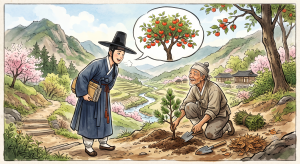
내가 이 세상에 태어나 수없이 뿌려 놓은 말의 씨들이 어디서 어떻게 열매를 맺었을까 조용히 헤아려 볼 때가 있습니다. 무심코 뿌린 말 한마디라도 그 어디선가 뿌리를 내렸을지 모른다고 생각하면 왠지 두렵습니다. 서원은 허공으로 사라지고, 더러는 다른 이의 가슴속에서 좋은 열매를 또는 언짢은 열매를 맺기도 했을 언어의 나무 주님 내가 지닌 언어의 나무에도 멀고 가까운 이웃들이 주고받은 크고 작은 말의 열매들이 주렁주렁 달려 있습니다. 둥근 것, 모난 것, 밝은 것, 어두운 것, 향기로운 것, 반짝이는 것 그 주인의 얼굴은 잊었어도 말은 죽지 않고 살아서 나와 함께 머뭅니다.
살아 있는 동안 내가 할 말은 참 많은 것도 같고 적은 것도 같고, 그러나 말이 없이는 단 하루도 살 수 없는 세상살이, 매일매일 돌처럼 차고 단단한 결심을 해도 슬기로운 말의 주인이 되기는 얼마나 어려운지 날마다 내가 말을 하고 살도록 허락하신 주님 하나의 말을 잘 탄생시키기 위하여 먼저 잘 침묵하는 지혜를 깨치게 하소서. 헤프지 않으면서 풍부하고 경박하지 않으면서 유쾌하고 과장하지 않으면서 품위 있는 한마디의 말을 위해 때로는 진통 겪는 어둠의 순간을 이겨내게 하소서 참으로 아름다운 언어의 집을 짓기 위해 언제나 기도하는 마음으로, 도를 닦는 마음으로 말을 하게 하소서 언제나 진실하고 언제나 때에 맞고 언제나 책임 있는 말을 갈고닦게 하소서. 내가 이웃에게 말을 할 때에는 하찮은 농담이라도 함부로 지껄이지 않게 도와주시어 좀 더 겸허하고 좀 더 인내하고 좀 더 분별 있는 사랑의 말을 하게 하소서.
내가 어려서부터 말로 저지른 모든 잘못, 특히 사랑을 거스른 비방과 오해의 말들을 경솔한 속단과 편견과 위선의 말들을 용서하소서 주님 나날이 새로운 마음, 깨어 있는 마음, 그리고 감사하는 마음으로 내 언어의 집을 짓게 하시어 해처럼 환히 빛나는 삶을 당신의 은총 속에 이어가게 하소서
참 마음에 와닿는 시입니다. 안타깝게도 우리는 매번 실패합니다. 저도 맨날 실패해요. 맨날 넘어져요. 그래서 오늘 우리에게 예수님이 필요합니다. 예수님 앞에 실수할 때마다 나가서 회개하고 엎드리고, 주님 다시 힘 주시옵소서 기도하고 또다시 예수 그리스도의 보혈의 피로 씻음받아서 다시 한번 일어설 수 있는 우리 모두가 다 될 수 있기를 주님의 이름으로 축원합니다.
Words as Weapons, Words as Grace: A Biblical Reflection on Wise Speech
Words are like swords. In what way can words be said to be like swords? What similarities might there be? If used well—ah, if a sword is used well—it can prepare delicious meals and accomplish many useful tasks in daily life. However, if used incorrectly, it becomes a dangerous object that can cause injury or even loss of life. In the exact same way, words are beneficial when used well.
Through words, we can encourage others, instil courage, and warm people’s hearts. This is precisely what words can do.
Proverbs 20:18, which we read today, records this:
“Plans are established by counsel; by wise guidance wage war.”
First, as we look at Proverbs 20:18, there is something we must not misunderstand. Because Proverbs 20:18 says, “by wise guidance wage war,” we should not mistakenly think that waging war is God’s command or that we must always go to war.
Is war the correct answer? No, it is not. If war is not the answer, what is?
Peace is the answer. How should we as believers live? We must live not to pursue war, but to pursue peace. We need to remember clearly that seeking peace is what truly pleases God.
In Matthew 5:9, Jesus said:
“Blessed are the peacemakers, for they shall be called sons of God.”
In other words, those who pursue peace will be called children of God.
If there is someone who does not seek peace but instead seeks war, would that person be a child of God or a child of Satan? Naturally, it is the children of Satan who seek war.
Of course, this does not mean that we must never, under any circumstances, engage in war. There may be inevitable situations where war becomes a necessary evil, and in those moments, we may have no choice but to fight. Overall, pursuing peace, promoting peace, avoiding conflict, and striving for harmony is what pleases God. Yet, we cannot always live that way; we know all too well that unavoidable circumstances arise where we are forced to fight or go to war.
When Proverbs 20:18 says, “by wise guidance wage war,” it gives us a lesson presupposing precisely such unavoidable situations.
If we are inevitably forced to fight—if an unavoidable situation arises where war cannot be evaded—then rather than fleeing, we must stand and face it. When such times come, what should we do?
Proverbs 20:18 instructs us: “by wise guidance wage war.”
Here, offering “wise guidance” or strategy means consulting with one another to find the best possible path forward. It means that instead of one person making an arbitrary decision, many people put their heads together, pool their wisdom, consult each other, and then carry out the work. For any plan to succeed, how should it be done? Through consultation and dialogue, by putting our heads together and gathering collective wisdom, errors are reduced and the likelihood of success increases.
Why is it so important for many people to unite their hearts and wisdom through mutual consultation rather than relying solely on the outstanding leadership or decisions of a single individual? Because no matter how remarkable a person may be, they are not perfect. We are not God.
Unlike God, who makes no mistakes, our knowledge is limited, our vision is restricted, and we must make decisions under incomplete conditions and amid uncertainties. Because no single person can see everything, others may notice what I overlook, and others may understand or feel what I have failed to realize. Therefore, no matter how extraordinary a leader is, sharing opinions, gathering thoughts, and taking counsel together yields far better results than making unilateral decisions. This is the overarching lesson taught throughout Scripture for any plan or idea to succeed.
There was a Syrian commander named Naaman. Surprisingly, the Bible records a tremendous miraculous story in which Naaman came to the prophet Elisha and was healed of his disease.
How was Commander Naaman healed of his leprosy? Surprisingly, it was due to the help of several people. Naaman did not achieve healing by deciding or thinking everything through on his own. Rather, because there were people helping him, and because he listened to their counsel and acted upon their words, a remarkable healing took place.
Whose help did he receive first? He received help from the words of a young Hebrew girl who had been taken captive in war and was serving as a servant in his home.
In 2 Kings 5:3, the girl says to her mistress:
“Would that my lord were with the prophet who is in Samaria! He would cure him of his leprosy.”
What could that young girl possibly know? What deep knowledge could she have had?
When Commander Naaman heard the story of that young captive girl, he could have dismissed it angrily, saying, “What nonsense! How dare an ignorant girl speak up in front of me?” He could have easily ignored her words.
Yet remarkably, Naaman—the second-in-command of Syria—listened to the young captive Hebrew girl. He paid attention to the child’s words when he could have easily disregarded them, and following her advice, he set out for Israel.
How was this possible? Why did it happen? It was out of desperation.
That intense desperation—like grasping at straws—produced humility within Naaman’s heart. Instead of looking down on her as a low-status servant, his desperation and yearning for help birthed humility, enabling him to listen to her. Thus, Naaman listened to the Hebrew girl and went to the land of Israel.
However, it did not end there. Naaman was led to the house of Elisha, but Elisha did not come out to welcome him with formal courtesy, lay hands on him, and pray. Instead, Elisha didn’t even show his face; he simply sent a messenger saying, “Go and wash in the Jordan seven times.”
At that moment, rage welled up within Naaman. In his pride, he thought, “How dare he mistreat me like this?” and refused to listen to Elisha’s instruction.
Who stepped in then? Naaman’s servants and officers spoke to him.
In 2 Kings 5:13, his servants came near and said to him:
“My father, it is a great word the prophet has spoken to you; will you not do it? Has he actually said to you, ‘Wash, and be clean’?”
The servants were speaking up: “If the prophet Elisha had asked you to do something extraordinary, wouldn’t you have done it? If he asked for your life, wouldn’t you have given it? Why refuse such a simple request?” Hearing their words, Naaman humbly listened to his servants once again, and as a result, he was cured. He received complete healing.
No matter how good a medicine is, if you do not take it, it yields no effect. No matter how great a book is, if you do not read it, you cannot benefit from it. No matter how good a person is, if you do not accept them with humility—if you close your heart—even if Jesus himself comes and speaks, you will gain no benefit. Likewise, if Naaman had closed his heart before Elisha, the servant of God, and walked away, his remaining life would have been spent miserably in unhealed suffering. But amazingly, in that critical moment, Naaman listened to the words of those around him, received healing, and experienced a remarkable transformation in his life.
Therefore, what should we do?
We must remember that our plans and thoughts succeed when we humbly consult with others and listen respectfully to their counsel. Even in times of conflict, victory comes when we gather wisdom, listen to counsel, and combine our strategies in humility. Remembering this truth, may we all restore humility in our daily lives, in the name of the Lord.
Plans are established by counsel—how is this possible? It becomes possible when we possess an attitude of humility. Just as a knife yields benefits when handled properly, how can we use our speech effectively? We must remember that we gain benefits when we handle speech with humility.
On the other hand, just as misusing a knife can injure or kill someone, misusing or carelessly handling our words can hurt us and even become a deadly poison.
Proverbs 20:19 teaches us:
“Whoever goes about slandering reveals secrets; therefore do not associate with a simple babbler.”
Proverbs 20:19 teaches us this message. The Korean translation renders it as “one who walks around babbling/gossiping reveals secrets,” but rather than translating it as simple “idle talk” or “babbling,” translating it as “one who slanders and commits character assassination” is much closer to the original text.
This same word is used in Leviticus 19:16.
In Leviticus 19:16, it says:
“You shall not go around as a slanderer among your people, and you shall not stand against the life of your neighbor: I am the LORD.”
In Leviticus 19:16, this term is translated as “slander.” Therefore, translating Proverbs 20:19 as “whoever goes about slandering” reflects the Hebrew original much more accurately.
And what does such slander equate to? Leviticus 19:16 teaches that slandering someone is equivalent to killing them. It warns us against thinking, “I haven’t killed anyone,” by revealing that slandering others is tantamount to murder. Thus, it instructs us not to slander others or seek gain by shedding blood.
Therefore, as we examine these scriptures, we see that our words can be used constructively—offering ideas, showing better paths, guiding organizations toward success, and building others up. Conversely, our words can also be used destructively—slandering, destroying, and leading people to ruin.
What then does Scripture teach us about how we ought to speak? We must use our speech as a good tool to build up and encourage others. We must never use our lips to curse, slander, make malicious attacks, or bring others down.
Slander and character assassination lead people to destruction. What does Proverbs 20:19 tell us to do regarding such people? It says: “do not associate with a simple babbler [one who slanders].” In closer terms to the Hebrew original, it means “do not get entangled with them.”
If we avoid getting entangled with those who slander and spread malicious words, does that mean we will never be harmed by them? In reality, that is not the case. Very often, people slander and attack us even when we have no personal connection to them. We may be doing well, doing nothing wrong, and committing no act deserving of such criticism.
Yet, because people often slander and try to tear us down, avoiding association with them does not guarantee complete immunity from being an innocent victim of slander.
Today, “cyber wreckers” (malicious online commentators/channels) have become a major societal issue causing immense harm. These so-called cyber wreckers target individuals on platforms like YouTube, launching non-stop slander, defamation, and character assassination to destroy their targets. Once someone falls target to them, they are pushed toward ruin. Some people cannot endure the pain and end up taking their own lives.
Businesses go bankrupt, and celebrities are forced to retire due to the overwhelming damage caused by these online smear campaigns. Countless lives have been ruined by such malicious attacks.
Even if you wish not to be involved with them, can you always avoid it? Many innocent people become victims without any prior involvement.
Why, then, does Proverbs 20:19 instruct us not to associate or get entangled with those who slander and open their lips maliciously? There are several reasons. First, it means we must not stand among those who chime in and agree with slanderers. How do cyber wreckers grow?
They grow because of the people who click the subscribe button—because of an enthusiastic audience. That audience fuels and builds up those malicious channels.
Similarly, how are those who go around slandering able to continue their behavior? Because people listen to them. When listeners respond with, “Really? I had no idea! My goodness,” those reactions feed the slander. Sitting together with them gives the slanderer confidence, making them think, “My words are persuasive; I am making an impact,” leading them to continue.
When a fire breaks out, it can either blaze up or fizzle out. When does it fizzle out? When there is no fuel nearby to feed it. But when does it rage out of control? When tinder and kindling are present, even a tiny spark can consume an entire house, world, and everything precious to us.
Should we respond with, “Is that true? Why did they do that? How disappointing”? Why are you silent? We must not respond that way! Do not get entangled with slanderers!
That is how the fire dies down. That is how we stop slander from destroying people and dragging them into ruin. If we sit alongside them and get entangled, we cannot claim to be blameless. The guilt does not rest solely on the slanderer; those of us who act as kindling share great blame as well. That is why Scripture commands us not to get entangled.
We must exercise discernment with our ears. We must listen to the Word of God, participate in building others up, and join in work that saves lives, so that together we may build the Kingdom of God.
Second, what is another reason we must not associate with such people? Because their slander and malicious talk end up binding us as well.
When we listen to malicious gossip, those words do not simply blow away in the wind. The moment they reach our ears, they become shackles that restrict our thoughts and actions. Instead of viewing people with goodness, we begin to view them with suspicion and distorted eyes. Rather than loving them, we view them with malice, becoming prisoners of that slander ourselves. Thus, we become the primary victims, which is why God tells us not to get entangled.
Third, why are we told not to get entangled with them? Because ultimately, we ourselves may become their next victim.
A person who slanders others may target someone else today, but over time, they can easily turn on the very person listening to them. The damage caused by failing to starve the fire of fuel will eventually return directly to oneself.
Therefore, remembering how speech can be both a good tool and an evil weapon, we must pray: “Lord, set a guard over my lips. Let the words I speak bring strength and courage to the discouraged. Let my words help the weary regain hope. Let my words reveal God and impart hope to others.” We must also pray: “Keep my words from becoming tools of slander that tear people down, divide communities, or serve as instruments of Satan. Prevent me from acting like a child of Satan rather than a child of God, and rule over my lips.”
We should pray this every morning, examine ourselves moment by moment, and before the day ends, sincerely check whether our words—even those disguised as good—contained malice or tore others down.
Poet Hae-in Lee wrote a poem titled A Prayer for Words:
I sometimes quietly reflect on where and how
the countless seeds of words I have scattered in this world have borne fruit.
Thinking that even a word spoken thoughtlessly might have taken root somewhere
fills me with fear.
Vows vanished into empty air,
while on the tree of language, some words may have borne good fruit
or bitter fruit in the hearts of others.
Lord, on the tree of language that I possess,
large and small fruits of words exchanged with neighbors near and far hang in clusters.
Round ones, jagged ones, bright ones, dark ones, fragrant ones, sparkling ones—
even if the owner’s face is forgotten, the words do not die; they live on and remain with me.
While I live, the words I have to say seem both many and few,
yet in this world, we cannot live a single day without words.
Though I make firm resolutions every day like cold, hard stone,
how difficult it is to become a master of wise speech!
Lord, who allows me to speak each day,
grant me first the wisdom of silence so that a single word may be born well.
Help me endure the dark moments of labor
for the sake of a single word that is rich without being wasteful,
cheerful without being frivolous, and dignified without being exaggerated.
To build a truly beautiful house of language,
let me always speak with a prayerful heart and a disciplined mind.
Let me continuously refine words that are always truthful, timely, and responsible.
When I speak to my neighbor, even in light jokes, help me not to babble carelessly,
but to speak words of love with greater humility, patience, and discernment.
Forgive all the wrong I have committed through words since childhood—
especially words of slander and misunderstanding that went against love,
and words of hasty judgment, prejudice, and hypocrisy.
Lord, grant that day by day, with a renewed, awake, and grateful heart,
I may build my house of language,
continuing a life that shines brightly like the sun within Your grace.
This is a poem that truly touches the heart. Yet regrettably, we fail every time. I fail every day as well. I stumble constantly. That is why we need Jesus today. Whenever we stumble, let us go before Him, repent, bow down, pray for renewed strength, and be cleansed once again by the blood of Jesus Christ so that we may rise anew. I pray this for all of us in the name of the Lord.