
이유를 찾고 있는가? 핑계를 찾고 있는가?
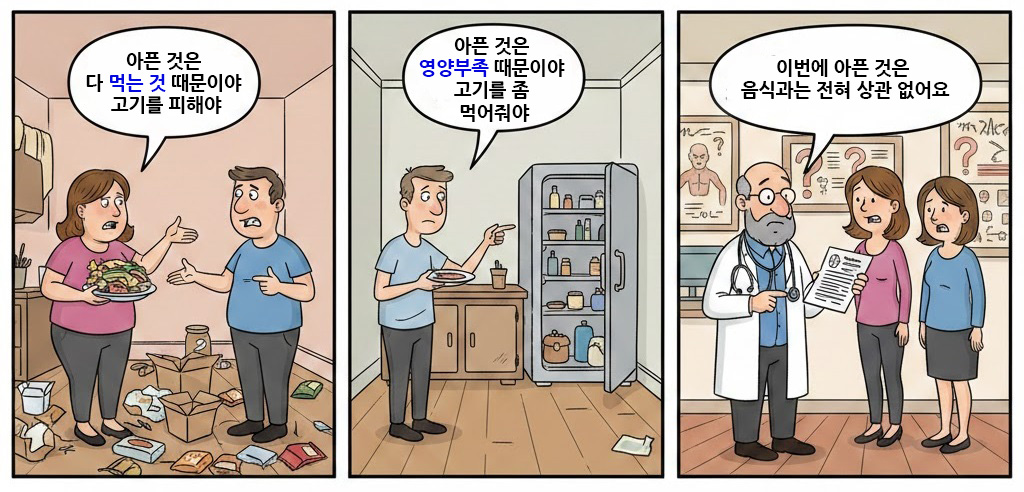
한번 미워하기로 작정하면, 모든 안 좋은 것의 이유가 된다. 다른 사람 이야기가 아니라 바로 나의 이야기이다. 내 아내가 아프면 나는 아내에게 말한다. “그것은 다 영양 부족 때문이다.” “고기도 먹고 음식을 제대로 섭취해야 하는데, 먹지 않아서 아픈 것이다.” 그렇게 말한다. 하지만 내 아내는 정반대로 말한다. “그것은 다 너무 많이 먹어서 그런 것이다.” 같은 현상에 대해 두 돌팔이 진단은 서로 상반된다. 그게 우리의 모습이다. 세밀하게 따져보지도 않고, 무조건 내가 싫어하는 것에 원인이 있다고 주장한다.
그런데 그 말이 정말 맞는 것처럼 들리기도 한다. 아내가 정말 아프면 그때 내 말에 조금 귀를 기울인다. ‘정말 영양 부족 때문일까?’ 질문하며 고기를 섭취한다. 하지만 병원에 가면 전혀 다른 판단을 내린다. 먹는 것과는 전혀 관계가 없다.
여성 안수가 싫은 사람은 모든 문제가 여성 안수에서 시작된다고 주장한다. 서방 교회가 쇠퇴하는 것도 여성 안수를 주기 시작했기 때문이고, 동성애를 인정하는 교단들이 생겨나는 것도 다 여성 안수라는 빗장을 풀었기 때문이라고 진단을 내린다. 이런 진단은 그냥 동네 어르신들이 아무런 근거 없이 떠드는 소리와 같건만, 여성 안수 반대자들에게는 “정말 그렇구나” 하며 고개를 끄덕이게 만든다.
전임 담임목사 때문에 어려움을 겪은 교회가 있었다. 우여곡절 끝에 그 교회는 그분과 결별하게 되었고, 새로운 담임목사를 청빙하게 되었다. 그때 사람들이 말하기 시작했다. “서울대 출신은 배제합시다.” “유학파는 배제합시다.” “대형교회 부목사 출신은 배제합시다.” “50대 이상은 배제합시다. 자기 고집이 셉니다.” “공개 모집하지 말고 추천으로 청빙합시다.” 정말 전임 목사와 문제가 있었던 이유가 그것 때문이었을까? 그러한 주장들이 힘을 받는 게 현실이다. 하지만 그런 식으로 해답을 찾는 것은 바른 방법이 아니다.
세계 교회는 많은 변화를 경험했다. 원래는 유대인들 안에서만 복음이 전파되다가 이방인들에게도 복음을 전하기 시작했다. 할례를 받지 않아도 된다고 빗장을 풀었다. 복음은 아시아를 넘어 유럽에까지, 또한 미국을 거쳐 우리 한국에까지 전파되었다. 그 사이에 노예 해방이 이루어졌다. 주일 성수의 개념도 달라졌다. 교회에서 악기를 사용할 수 없었지만, 이제는 악기도 사용하게 되었다. 오르간뿐만 아니라 기타도 들어오게 되었다. 시편 찬송만 부르다가 이제는 복음성가도 부르기 시작했다. 찬송을 부르며 박수도 치게 되었다. 유아 세례만 하다가 어린이 세례도 하게 되었다. 여성 안수도 시행되었다.
그러는 사이 어떤 진보적인 교단에서는 동성애도 받아들이기 시작했다. 동성애를 용인하는 일이 일어난 것은 도대체 어디서부터 잘못했기 때문일까? 여성 안수를 반대하는 사람은 여성 안수의 문을 열면, 결국 동성애를 인정하는 길로 가게 된다고 진단한다. 정말 그런가? 노예 해방에서부터 잘못된 것이라고 할 수는 없는가? 유대인이 아닌 이방인에게 복음을 전한 것부터 잘못의 시발점이 된 것은 아닌가?
급기야 근거 없는 주장을 펼치기도 한다. 세계개혁주의협의회(WRF)가 “여성 안수와 동성애를 철저히 거부한다”고 주장하는 글을 SNS에 올린다. 마치 여성 안수는 개혁주의 진영에서 용납될 수 없는 것이라는 인상을 퍼뜨리기 위해서이다. 내가 그렇지 않다고, WRF 안에 여성 안수를 허용하는 교단이 있다고 일러주었는데도 고칠 생각이 없다. 언젠가는 고치겠지만, 이미 그런 주장의 파급력은 너무나도 커서, 사람들의 마음에 거짓 정보가 퍼질 대로 퍼진 뒤가 될 것이다.
나는 내가 생각하는 성경 해석이 100% 옳다고 고집하지 않는다. 여성이 잠잠할 것을 요구하는 성경 구절은 두 가지 방법으로 해석할 수 있다고 본다. 우선 모든 시대가 들어야 할 영원한 진리라고 해석할 수 있음을 충분히 인정한다. 하지만 동시에 그것이 영원한 규범이 아니라 고린도 교회나 에베소 교회를 향한 특수한 메시지였다고 해석할 가능성이 있다고 생각한다. 문제는 그 해석에 따라 일관성을 유지할 수 있느냐다. 만일 전자의 해석이 맞다면 지금 당장 여성들을 사역에서 모두 배제하면 된다. 그러나 만일 후자의 해석이 옳다면 여성에게 말씀을 전할 권리를 허용하고, 목사가 되는 길을 막을 필요가 없다.
Once we decide to hate something, it becomes the reason behind everything bad. This isn’t just a story about others; it is my own story. When my wife is sick, I tell her, “It’s all because of nutritional deficiency.” I say, “You need to eat meat and consume proper food, but you’re sick because you don’t eat.” However, my wife says the exact opposite: “It’s all because I ate too much.” Faced with the same phenomenon, the diagnoses of two quacks are completely contradictory. This is how we are. Without carefully examining the details, we unconditionally claim the cause lies in whatever we dislike.
And yet, those words sometimes sound as if they are true. When my wife is truly in pain, she starts to listen to me a little. She asks herself, “Could it really be because of nutritional deficiency?” and eats some meat. But when we go to the hospital, the doctor gives a completely different judgment. It has nothing to do with what she ate.
Those who dislike women’s ordination argue that every problem originates from it. They diagnose that the decline of the Western church is because they started ordaining women, and that denominations accepting homosexuality arose because they unlocked the gate of women’s ordination. Such diagnoses are no different from the baseless chatter of village elders, yet they make opponents of women’s ordination nod their heads, thinking, “That must be it.”
There was a church that suffered greatly because of a former senior pastor. After many twists and turns, the church parted ways with him and set out to call a new senior pastor. Then, people began to say: “Let’s exclude candidates from Seoul National University.” “Let’s exclude those who studied abroad.” “Let’s exclude those who served as associate pastors in mega-churches.” “Exclude anyone over 50; they are too stubborn.” “Let’s not do a public search; let’s recruit through recommendations.” Was any of that truly the reason for the trouble with the previous pastor? In reality, such claims gain traction. However, seeking answers in that manner is not the right way.
The global church has experienced many changes. Originally, the Gospel was proclaimed only among Jews, but then it began to be preached to Gentiles. The latch was lifted so that circumcision was no longer required. the Gospel spread beyond Asia to Europe, through America, and finally to us in Korea. In the process, the abolition of slavery took place. The concept of keeping the Sabbath holy changed. Instruments were once forbidden in church, but now they are used. Not only the organ but also the guitar has entered the sanctuary. Where once only the Psalms were sung, now we sing contemporary worship songs. We have come to clap our hands while singing hymns. Where we once practiced only infant baptism, we now have child baptism as well. Women’s ordination has also been implemented.
In the meantime, some progressive denominations began to accept homosexuality. Where exactly did things go wrong for the tolerance of homosexuality to occur? Those who oppose women’s ordination diagnose that once you open the door to ordaining women, it eventually leads to the recognition of homosexuality. Is that truly so? Could we not argue that things went wrong starting with the abolition of slavery? Or perhaps the starting point of the error was preaching the Gospel to Gentiles instead of just Jews?
Eventually, some go as far as spreading groundless claims. Someone posts on social media asserting that the World Reformed Fellowship (WRF) “thoroughly rejects women’s ordination and homosexuality.” This is done to spread the impression that women’s ordination is unacceptable within the Reformed camp. Even though I pointed out that this is not true—that there are denominations within the WRF that allow women’s ordination—they have no intention of correcting it. They might fix it someday, but by then, the impact of such a claim will have become so great that misinformation will have already saturated people’s hearts.
I do not insist that my interpretation of the Bible is 100% correct. I believe the biblical passages requiring women to remain silent can be interpreted in two ways. First, I fully acknowledge that it can be interpreted as an eternal truth that every generation must hear. However, I also believe there is a possibility that it was not an eternal norm, but a specific message directed toward the churches in Corinth or Ephesus. The issue is whether one can maintain consistency according to that interpretation. If the former interpretation is correct, then all women should be excluded from ministry immediately. But if the latter interpretation is right, there is no need to bar women from the right to preach the Word or from the path to the pastorate.
